The method · and the exact gear, step by step
Smoke better brisket.
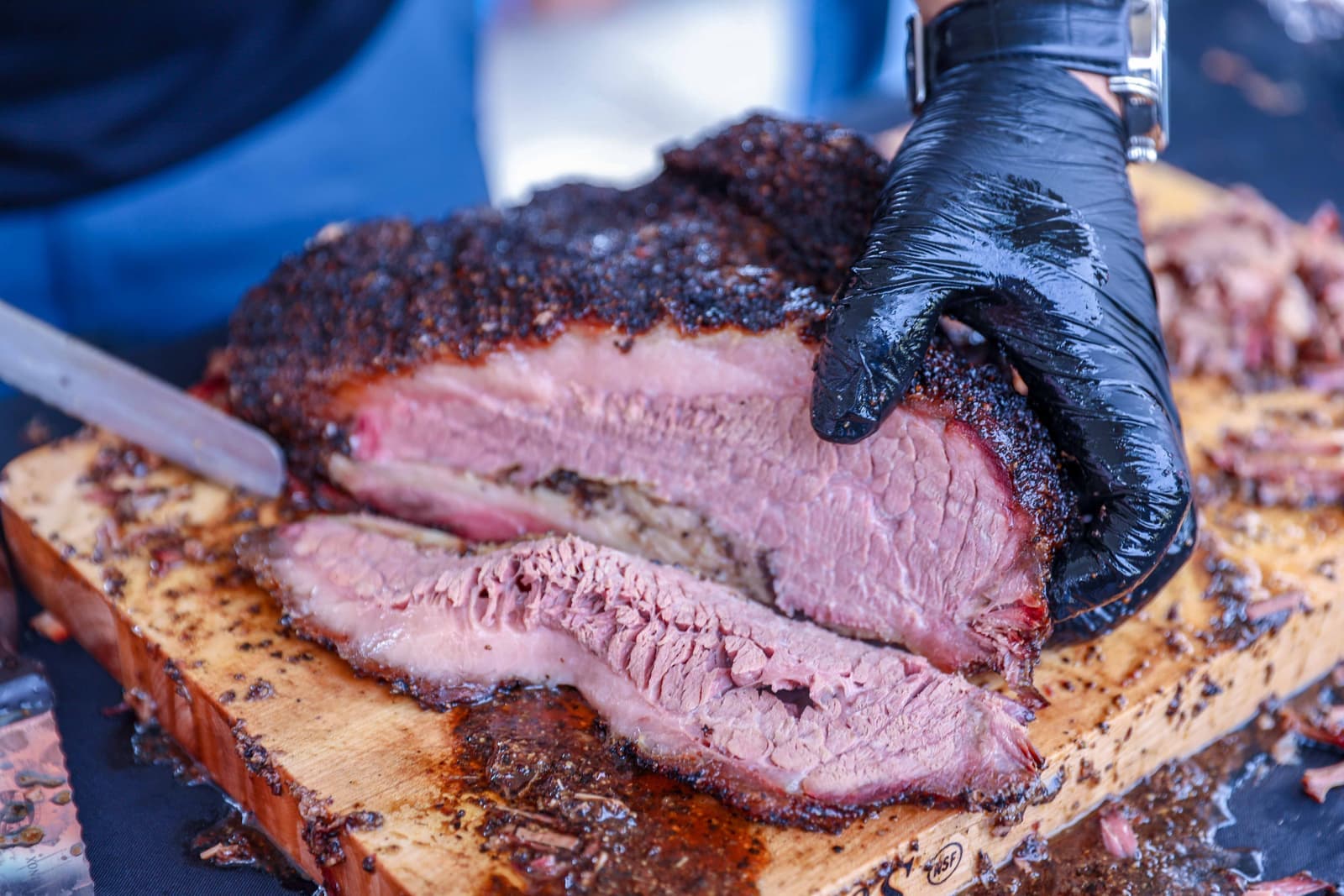
The complete method for a whole packer — choosing, trimming, the stall, the wrap, the rest and the slice — and the exact gear each step needs, chosen on the published specs, not the hype.
- 111
- products with live, dated prices
- October 22, 2026
- prices last verified
- 48h
- then a price expires rather than go stale
- 0
- smokers we claim to have tested
This year’s top picks
The best gear for brisket
The single best pick in each category, with a live price you can act on. Tap through for the full comparison and why it wins.
Best smoker for brisket
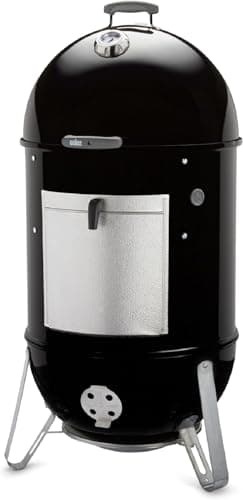
Weber Smokey Mountain Cooker 22"
The best first real smoker for brisket, full stop
$549.00 · View on AmazonSee the full comparisonPrice as of October 22, 2026. #ad How we’re funded
Best offset smoker
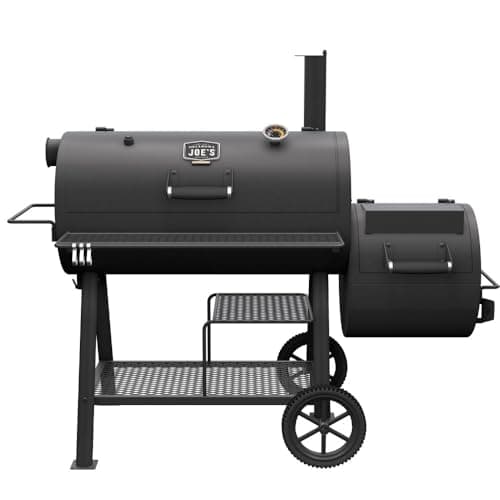
Oklahoma Joe's Highland Reverse Flow Offset Smoker
The first true offset for someone who wants to learn fire management
$729.00 · View on AmazonSee the full comparisonPrice as of October 22, 2026. #ad How we’re funded
Best pellet smoker
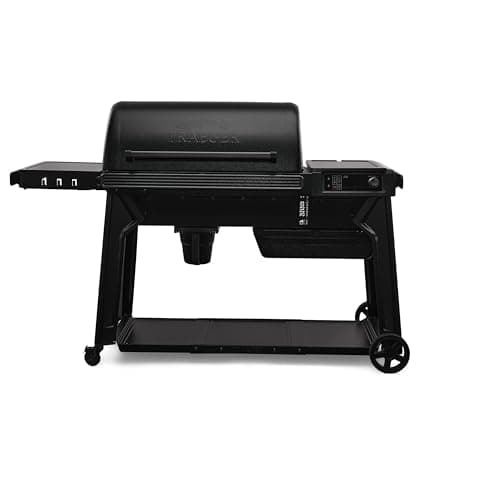
Traeger Woodridge Pro Wood Pellet Grill
Set-and-forget overnight cooks with phone monitoring
$1,149.99 · View on AmazonSee the full comparisonPrice as of October 22, 2026. #ad How we’re funded
Best meat thermometer
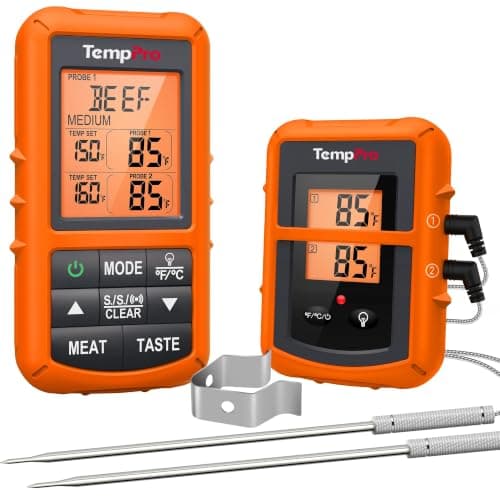
TempPro TempSync CORE TP20B Wireless Dual-Probe Thermometer (the ThermoPro TP20)
App-free dual-probe monitoring (meat + pit)
See the full comparisonBest wood for brisket
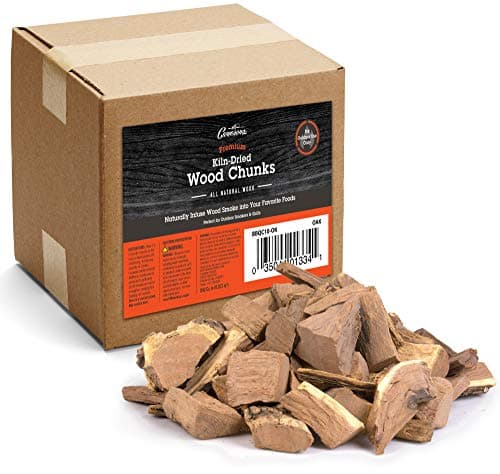
Camerons Products Oak Smoking Wood Chunks
The classic Texas brisket wood, in the right form
$34.95 · View on AmazonSee the full comparisonPrice as of October 22, 2026. #ad How we’re funded
Best butcher paper
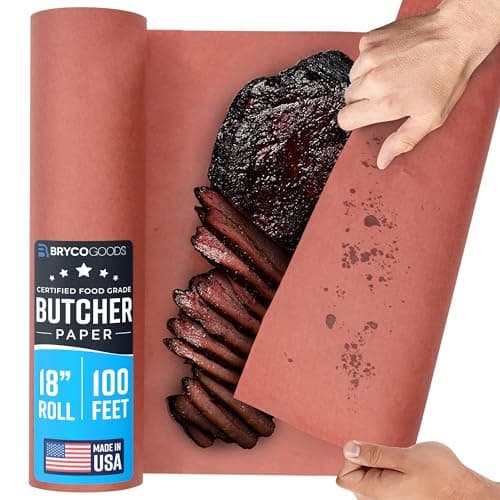
Bryco Goods Pink Butcher Paper 18" x 100 ft
The all-round default for the Texas crutch
See the full comparisonBest slicing knife
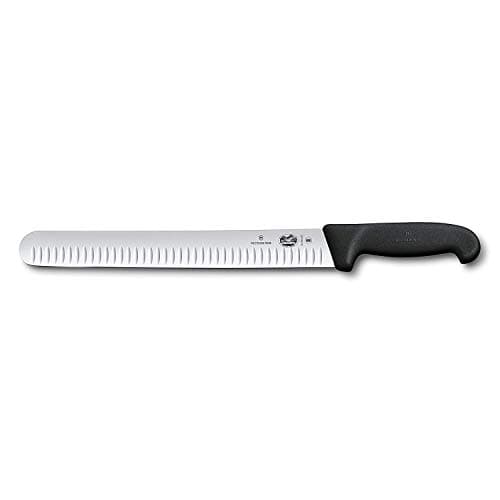
Victorinox Fibrox Pro 12" Granton Slicing Knife
The pit-standard default for slicing brisket
$86.99 · View on AmazonSee the full comparisonPrice as of October 22, 2026. #ad How we’re funded
Holiday gifting · Black Friday
Buying for a brisket cook?
Gift guides by budget and by who you are buying for — each pick explained for someone who has never lit a smoker — and one honest page on what actually discounts in November.
Black Friday & Cyber Monday BBQ deals
What historically discounts, what rarely does, and whether to wait. Deals are posted here when they go live in November.
Read the guideTop pick
Weber Smokey Mountain Cooker 22"
$549.00 · View on AmazonPrice as of October 22, 2026. #ad How we’re funded
Best BBQ gifts under $50
Seven gifts a smoker owner will use on the very next cook, explained for a buyer who has never lit a fire.
Read the guideTop pick
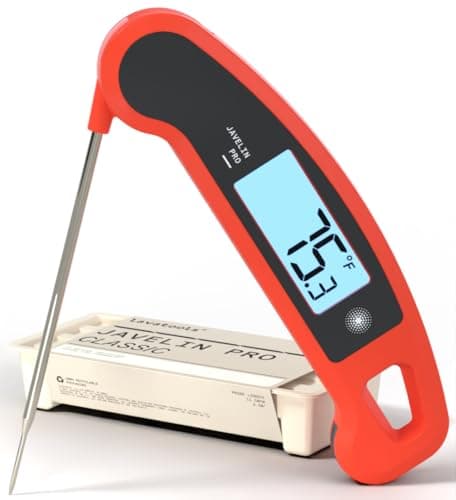
Lavatools Javelin PRO Duo Instant-Read Thermometer
$43.99 · View on AmazonPrice as of October 22, 2026. #ad How we’re funded
Best BBQ gifts under $150
The slicing knife, the wireless probe, the board that fits a whole packer — the proper-present tier.
Read the guideTop pick
Victorinox Fibrox Pro 12" Granton Slicing Knife
$86.99 · View on AmazonPrice as of October 22, 2026. #ad How we’re funded
Best smoker to give as a gift
The five questions to answer first, and the smokers that survive being chosen by someone else.
Read the guideTop pick
Weber Smokey Mountain Cooker 22"
$549.00 · View on AmazonPrice as of October 22, 2026. #ad How we’re funded
Best gifts for pellet grill owners
For the Traeger, Pit Boss or Z Grills owner — what they run short of, and what would be useless to them.
Read the guideTop pick
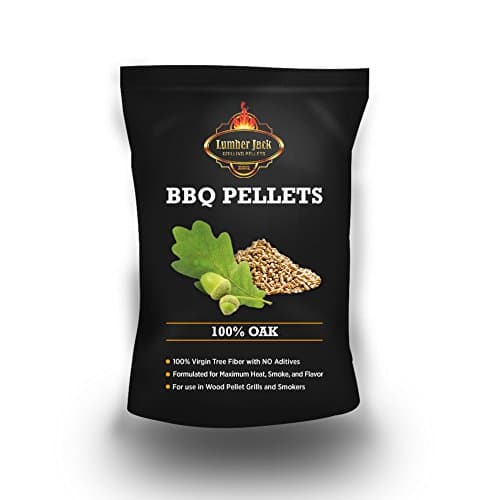
Lumber Jack 100% Oak BBQ Grilling Pellets
Best BBQ stocking stuffers
Small, useful, and cheap enough to buy two — used up rather than stored.
Read the guideTop pick
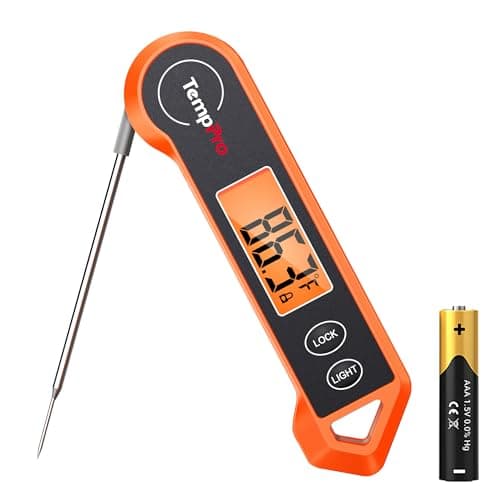
TempPro TempSwift PLUS TP19H Instant-Read Thermometer (the ThermoPro TP19H)
Start here
Five ways into brisket
How to Smoke Brisket
The whole cook, one honest step at a time — choosing and trimming the packer, running 225-250°F, the stall and the wrap, the rest, and the slice. Plus the exact gear each step needs.
Best Smoker for Brisket
The right smoker depends on how much you want to tend a fire. We compare offset, pellet, charcoal, gravity and electric smokers on cook area and control for a full packer.
Best Meat Thermometer for Brisket
Brisket is done by temperature and feel, not the clock — so a good thermometer is the highest-value tool you can buy. We compare instant-reads and leave-in probes for smoking.
Best Wood for Brisket
Post oak is the Central Texas classic, hickory hits harder, and pellets keep it simple. We compare woods, chunks vs chips vs pellets, and the charcoal underneath.
Brisket Gear
The prep and finishing gear that turns a good cook into a good brisket — the butcher paper for the wrap and the long knife for the slice, each chosen on the specs.
Brisket Troubleshooting
Something went wrong and you want to know why. Tough, dry, overcooked, or just not what you hoped — the honest diagnosis for each, what to do about it now, and how to stop it happening next time.
Why trust us
A brisket site that hasn’t tested anything?
Everyone in this category says they tested twenty smokers. We haven’t tested any — and we say so. Here is what we do instead, and it’s all checkable.
We read the specs, then do the math
Every pick is reasoned from the published manufacturer specs — cook area against a full packer, temperature control, build — and the cook-temperature and fuel math, not a claim we can't verify.
Prices are live and dated
Numbers come from a daily retailer check and carry the date they were pulled. If the check stops, the price disappears rather than going stale.
“Not published” is a finding
When a maker won't state a steel gauge or a true cook area, we print “Not published” rather than guessing. What a brand hides is information too.
We say when to skip
A higher price isn't automatically better. The pit-standard slicing knife costs a fraction of the boutique ones and cuts just as clean — so it's our pick. Commission never decides it.
No fake reviews, ever
There are no invented testimonials, star ratings or 'in our testing' claims anywhere on this site. If we can't source it, it isn't here.
One honest author
Written by a brisket enthusiast who reads the manuals and does the homework — not a competition pitmaster, and never pretending to be one.
Read these first
The pages that carry the site
How to smoke a brisket
The whole cook, one honest step at a time — plus the exact gear each step needs.
Read the guideWhat temp is brisket done?
The number to aim for (about 203°F), and why probe tenderness matters more.
Read the guideOffset vs pellet smoker
The core smoker decision, settled — flavor and control, or hands-off convenience.
Read the guide
Latest
Newest on Brisket & Bark
- Kamado Joe Classic Joe vs Big Joe
The same grill at two diameters, and for a whole packer the diameter settles it. The chord geometry, Kamado Joe's own figures, and who each size is for.
- Masterbuilt Gravity Series 1050 Review
1,050 square inches of real charcoal on a thermostat - and a hopper runtime Masterbuilt states two different ways on the same page. What that means for an overnight brisket.
- Butcher Paper vs Parchment Paper
Parchment survives smoker temperatures comfortably, so the usual warning is wrong. The real reasons it is not a brisket wrap - and the one paper that must never go in a cooker.
- BBQ Gift Basket Ideas
What actually goes in a barbecue gift basket for someone who smokes brisket - six things they will use up rather than store, and the order to build the basket in.
- BBQ Gloves vs Welding Gloves
Welding gloves are cheaper, longer and genuinely tougher - and still the wrong tool for a brisket. The one property that decides it, and what to buy instead.
- Charcoal vs Electric Smoker for Brisket
The honest trade: charcoal buys you smoke flavor and bark, electric buys you a night's sleep. Which one a brisket actually rewards, on the specs the makers publish.
- Pit Barrel vs Oklahoma Joe's Bronco
Two 18-inch charcoal drums, two completely different philosophies - one fixed by design, one adjustable. Which one suits a packer, on published capacity.
- Peach Paper vs Pink Butcher Paper
They are the same paper. Here is what the color actually comes from, what does differ between rolls, and the one spec on the label that decides the wrap.
- Instant-Read vs Leave-In Thermometer
They answer different questions, which is why a brisket cook wants both. What each one is for, which to buy first, and the accuracy figures the makers publish.
- Offset vs Vertical Smoker for Brisket
Horizontal barrel or upright cabinet - the choice is floor space against an even cook. Published cook areas, the gradient problem, and the cooker that is both.
How this site is funded
Brisket & Bark is free to read because some links to products are affiliate links: if you buy through one, we may earn a small commission at no extra cost to you. As an Amazon Associate we earn from qualifying purchases. It never changes which product we recommend — the reasoning is the same whether a link earns us anything or not.