Brisket Gear
The prep and finishing gear that turns a good cook into a good brisket — the butcher paper for the wrap and the long knife for the slice, each chosen on the specs.
The smoker gets all the attention, but the gear that decides whether a good cook becomes a good brisket lives on either side of the smoke: the trim before it, the wrap during it, and the slice after. This is the prep-and-finishing kit — the paper, the knives, and the small tools that quietly make the difference — each chosen on the specs that actually matter rather than the marketing on the box.
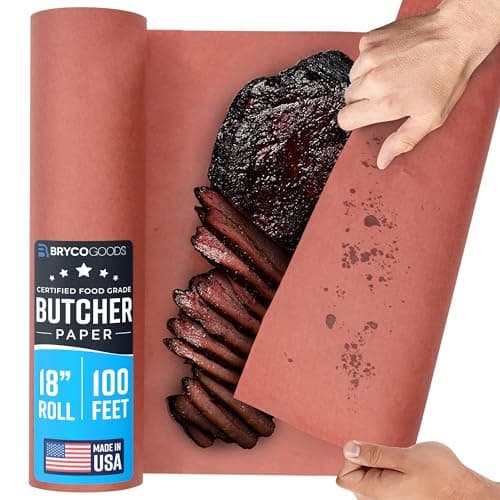
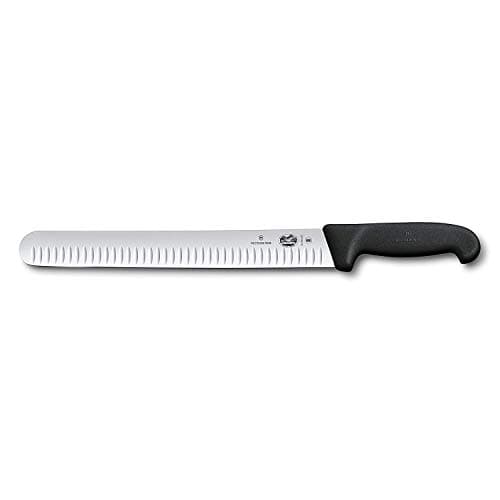
Two of these are worth getting right from your very first cook, and they’re the two roundups below. The butcher paper is your wrap for the stall: unwaxed, food-grade, 18 inches wide so it covers a whole packer in one sheet, and breathable enough to keep the bark firm where foil would steam it soft. The slicing knife is what stands between a rested brisket and a plate of tender slices: a long Granton-edge blade that crosses the flat in a single pull without tearing or sticking. Get those two right and you’ve covered the moments where good brisket is most often lost.
After the cook there is one more tool worth a page of its own: a vacuum sealer, which is the only real answer to freezer burn and the reason a day-three brisket can reheat in a water bath without losing a drop. The spec that decides which one to buy is not the vacuum pressure on the box — it is the widest bag the machine will seal, and almost nobody publishes it.
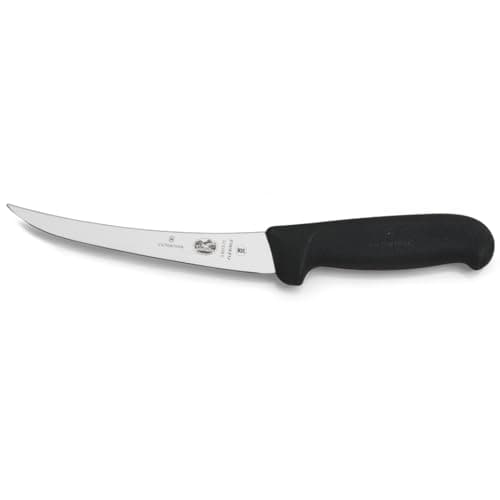
Around them sit the supporting cast. A sharp boning or trimming knife shapes the raw packer — taking the fat cap to about a quarter inch and removing the hard fat and deckle so the flat and point finish together (see how to trim a brisket). A pair of heat-resistant gloves lets you lift a hot, heavy, greasy brisket without dropping it or burning yourself, and doubles for handling the wrap — and if you were planning to use leather welding gauntlets instead, read BBQ gloves against welding gloves first, because the property that decides it is waterproofing rather than heat. On the paper, one question comes up more than any other and has a short answer: peach and pink are the same product under two names. A large cutting board with a juice groove catches the run-off so you keep the juices for the plate instead of the counter. A rub gets the seasoning right, and an injector is there if you decide the flat needs help from the inside. At the other end of the cook, a barbecue sauce is optional on a Central Texas brisket and still ends up on the table — so it is worth knowing which bottles sit beside beef and which ones bury it. And a good, insulated cooler becomes a “faux Cambro” for the long hold — wrap the finished brisket in towels, set it in a pre-warmed cooler, and it will hold above a safe serving temperature for hours while you finish the sides (see resting and holding). If you are buying for someone else rather than yourself, our brisket gift guide picks the things from this list that actually get used — and for the holidays it now comes in tiers: stocking stuffers, gifts under $50, gifts under $150 and the smoker itself, plus a guide fitted to the pellet grill owner. If you are shopping in November, the Black Friday and Cyber Monday deals hub explains what historically discounts in this category and what does not, and is where deals are posted when they go live.
How we choose it is the same everywhere on this site: we read the manufacturer specs, weigh them for a brisket specifically, and say plainly when a cheaper option wins — the pit-standard slicing knife, for instance, costs a fraction of the boutique brisket knives and cuts just as clean. We haven’t run any of this gear in a lab, and we don’t pretend to; here is exactly how we pick. Prices below are live and dated, and every top pick carries a buy button so you never have to dig through a review to find one. Start with the two roundups, then round out the kit as you cook more.
Everything in Brisket Gear
Best Butcher Paper for Brisket
Unwaxed pink/peach paper for the Texas crutch, compared on width, length and value — the wrap that keeps the bark firm.
Our top pick
Bryco Goods Pink Butcher Paper 18" x 100 ft
Best Brisket Slicing Knife
A long Granton blade slices a full packer in one pull. We compare the knives that do it, from the pit-standard Victorinox up.
Our top pick
Victorinox Fibrox Pro 12" Granton Slicing Knife
$86.99 · View on AmazonPrice as of October 22, 2026. #ad How we’re funded
Best Knife for Trimming Brisket
A thin 6-inch boning knife shapes the raw packer before the long slicer ever comes out. Six compared on blade flex, grip when greasy, and the steel the maker actually publishes.
Our top pick
Victorinox Fibrox Pro 6" Curved Flexible Boning Knife
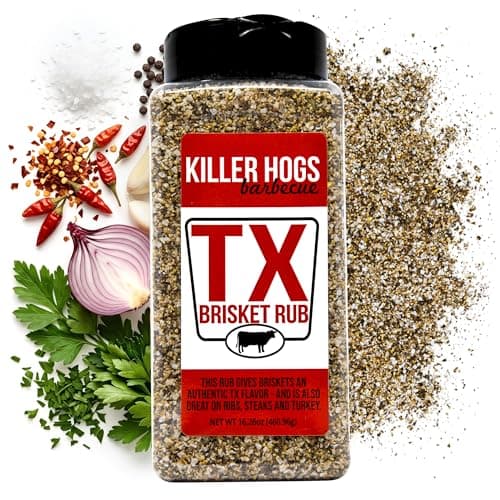
Best Brisket Rub
Coarse salt and pepper is the Texas baseline — here are the bottled rubs worth buying instead, and what each actually adds.
Our top pick
Killer Hogs TX Brisket Dry Rub
$22.99 · View on AmazonPrice as of October 22, 2026. #ad How we’re funded
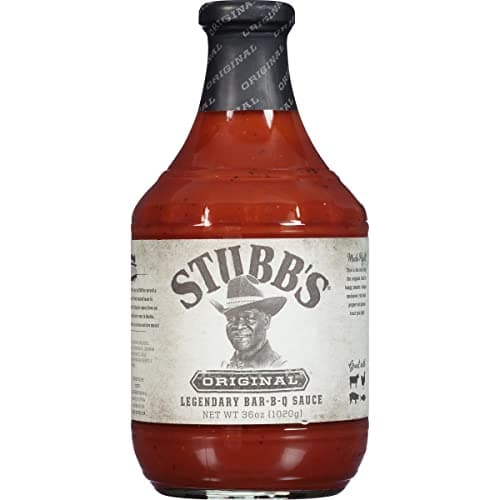
Best BBQ Sauce for Brisket
Central Texas serves brisket without it — but the bottle still goes on the table. Sauces ranked on what they do to beef and bark rather than how they taste on ribs.
Our top pick
Stubb's Original Bar-B-Q Sauce
$5.32 · View on AmazonPrice as of October 22, 2026. #ad How we’re funded
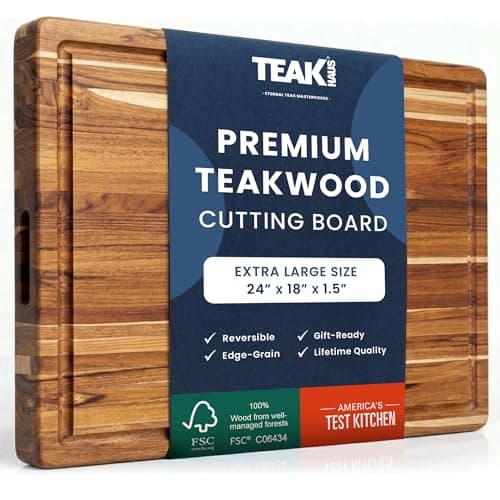
Best Cutting Board for Brisket
A packer needs more board than a kitchen usually owns, and a juice groove you'll be grateful for. Sized and compared.
Our top pick
Teakhaus Carving Board with Juice Groove, XL 24" x 18"
$119.99 · View on AmazonPrice as of October 22, 2026. #ad How we’re funded
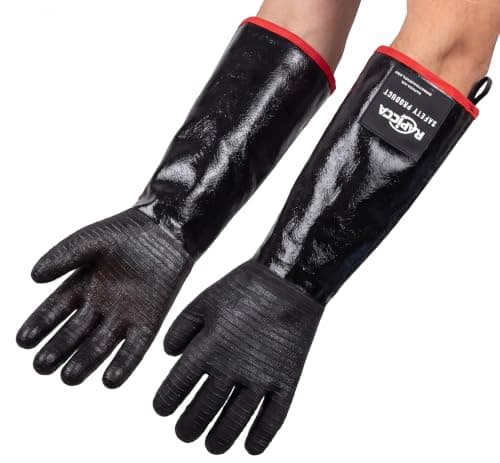
Best Gloves for Handling Brisket
Moving fifteen pounds of 200°F meat needs more than a tea towel. Gauntlets, five-finger gloves and the liner system compared.
Our top pick
RAPICCA 932°F BBQ Grill Gloves, 17"
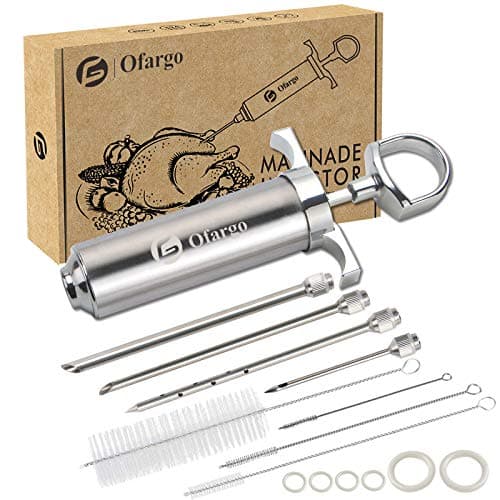
Best Meat Injector for Brisket
Injecting is optional on brisket — but if you do it, barrel material and capacity are the only two specs that matter.
Our top pick
Ofargo Stainless Steel Meat Injector Syringe Kit
$27.99 · View on AmazonPrice as of October 22, 2026. #ad How we’re funded
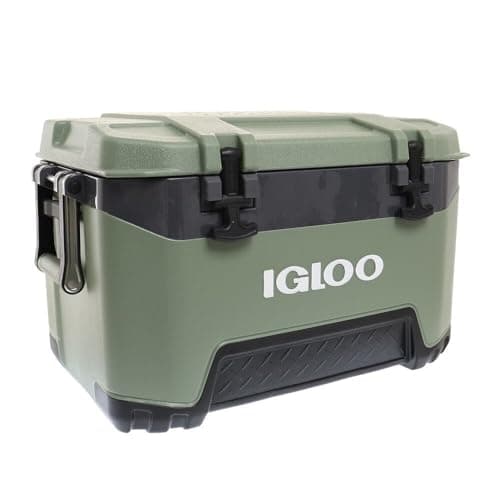
Best Cooler for Holding Brisket
The faux Cambro, done properly — insulated boxes compared on the only two things that matter for a hot hold: interior size and how well the lid seals.
Our top pick
Igloo BMX 52 QT Cooler
$149.99 · View on AmazonPrice as of October 22, 2026. #ad How we’re funded
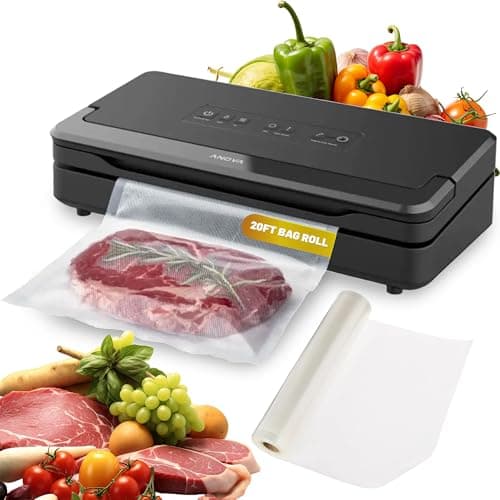
Best Vacuum Sealer for Brisket
What you seal the leftovers in, and the wide bag the brisket actually needs. Five machines plus the rolls, ranked on the bag width almost nobody publishes.
Our top pick
Anova Culinary Precision Vacuum Sealer Pro
Best Gifts for Brisket Lovers
What to buy the person who already owns a smoker — gifts that get used on the next cook, sorted by budget, from a $20 stocking filler up.
Our top pick
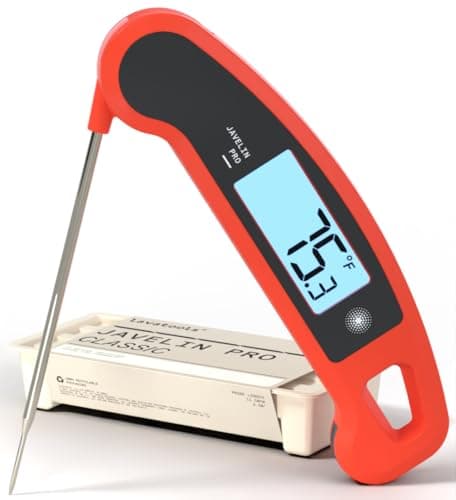
Lavatools Javelin PRO Duo Instant-Read Thermometer
$43.99 · View on AmazonPrice as of October 22, 2026. #ad How we’re funded
Best BBQ Gifts Under $50
Seven gifts for a smoker owner that cost less than a brisket does — each one something they will use on the very next cook, explained for a buyer who has never lit a fire.
Our top pick
Lavatools Javelin PRO Duo Instant-Read Thermometer
$43.99 · View on AmazonPrice as of October 22, 2026. #ad How we’re funded
Best BBQ Gifts Under $150
The proper-present tier: the long slicing knife, the wireless probe, the board that fits a whole packer. What each one fixes, who it suits, and what to check before you buy.
Our top pick
Victorinox Fibrox Pro 12" Granton Slicing Knife
$86.99 · View on AmazonPrice as of October 22, 2026. #ad How we’re funded
Best Smoker to Give as a Gift
Buying someone their smoker is the biggest barbecue gift there is, and the easiest to get wrong. The five questions to answer first, and the smokers that survive being chosen by someone else.
Our top pick
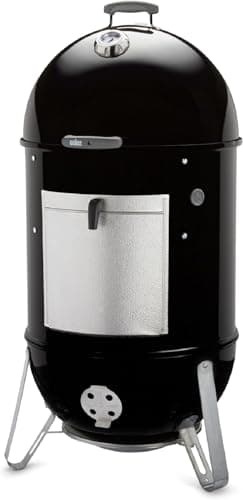
Weber Smokey Mountain Cooker 22"
$549.00 · View on AmazonPrice as of October 22, 2026. #ad How we’re funded
Best Gifts for Pellet Grill Owners
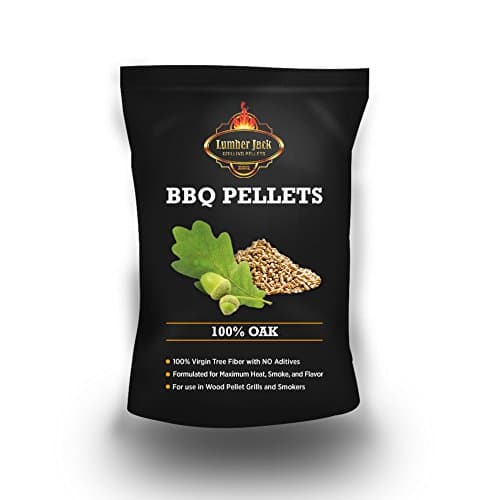
They own a Traeger, a Pit Boss or a Z Grills. Here is what a pellet cook actually runs short of — and the one gift category that fits every pellet grill regardless of brand.
Our top pick
Lumber Jack 100% Oak BBQ Grilling Pellets
BBQ Gift Basket Ideas
What actually goes in a barbecue gift basket for someone who smokes brisket - six things they will use up rather than store, and the order to build the basket in.
Our top pick
Killer Hogs TX Brisket Dry Rub
$22.99 · View on AmazonPrice as of October 22, 2026. #ad How we’re funded
Best BBQ Stocking Stuffers
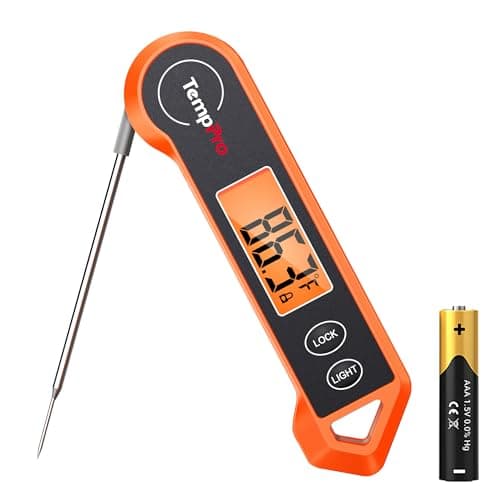
Small, useful and cheap enough to buy two: the thermometer, the paper, the rub and the glove liners that fit in a stocking and get used up rather than stored.
Our top pick
TempPro TempSwift PLUS TP19H Instant-Read Thermometer (the ThermoPro TP19H)
Black Friday & Cyber Monday BBQ Deals 2026
What historically goes on sale in barbecue gear and what rarely does, whether to buy now or wait for November by product class, and our current top picks with live prices. Deals are posted here when they go live.
Our top pick
Weber Smokey Mountain Cooker 22"
$549.00 · View on AmazonPrice as of October 22, 2026. #ad How we’re funded