Brisket & Bark

The Best Brisket Rub

Central Texas seasons brisket with salt and pepper and nothing else, and it produces the most famous brisket in the world. So the honest question isn't which rub is best — it's what a bottled rub adds over coarse SPG, and which ones actually deliver it.

By Stephen V.Last updated How we pick

Let’s start with the uncomfortable part: the most celebrated brisket in America is seasoned with coarse salt and coarse black pepper. That’s it. If someone tells you a rub is the secret to great brisket, they are selling you something. Fire management, trimming and knowing when to pull matter more than any bottle, and they always will.

What a good rub doesdo is save you the trouble of sourcing 16-mesh pepper, add a savory backbone that plain SPG lacks, or — in one case here — make the bark visually black rather than brown. Those are real benefits. They are just smaller than the marketing suggests. The specs that decide a brisket rub are grind size (coarse builds bark, fine dissolves into it), sugar content (sugar burns over a twelve-hour cook) and salt position(whether you can season the meat separately). Every pick below is judged on those three. If you’d rather mix your own, our brisket seasoning guide has the ratio and the timing.

How this is funded: we earn a commission if you buy through our links, at no extra cost to you. It never changes which product we recommend, and we’ll tell you plainly when we’d skip one. Full disclosure.

Quick picks

Ranked on the published specs and how each one fits a brisket cook. Select a row to jump to the full write-up. We have not run this gear in a lab — here is exactly what we do instead.

#ProductBest forPrice
1
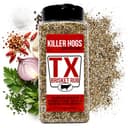
Killer Hogs TX Brisket Dry Rub

Killer Hogs TX Brisket Dry Rub

A brisket-specific rub from a competition team, built coarse and pepper-forward the way Texas brisket wants. The coarse grind is the detail that matters: fine rubs dissolve into the surface and disappear, while a coarse pepper-and-salt grind builds physical texture that becomes bark.

Best overall
$22.99 · View on Amazon

Price as of September 6, 2026. #ad How we’re funded

2
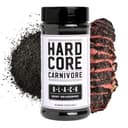
Hardcore Carnivore Black All-Purpose Beef Seasoning

Hardcore Carnivore Black All-Purpose Beef Seasoning

The rub that makes brisket look like the photos. Activated charcoal turns the crust genuinely black rather than the muddy brown most rubs produce, and underneath it is a straightforward beef seasoning. If you have ever been disappointed by how pale your bark looked, this is the fix.

Best for dark bark
$14.99 · View on Amazon

Price as of September 6, 2026. #ad How we’re funded

3
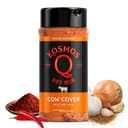
Kosmos Q Cow Cover BBQ Dry Rub

Kosmos Q Cow Cover BBQ Dry Rub

A savory, smoky beef rub that leans into umami rather than sugar — which is the right instinct for a cut that spends twelve hours in smoke. It is a good middle path if straight salt-and-pepper reads as too plain but a sweet competition rub reads as too much.

Best savory profile
$17.95 · View on Amazon

Price as of September 6, 2026. #ad How we’re funded

4
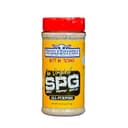
SuckleBusters SPG All-Purpose Rub (Salt, Pepper, Garlic)

SuckleBusters SPG All-Purpose Rub (Salt, Pepper, Garlic)

The Texas default in a shaker: sea salt, black pepper and garlic, in that order, from a Texas rub maker that has been selling this blend since 2006. It is the closest bottled thing to the salt-and-pepper rub that built Texas brisket — a savory backbone with none of the sugar-led profile that gets a twelve-hour cook into trouble.

Best value Texas-style
$12.47 · View on Amazon

Price as of September 6, 2026. #ad How we’re funded

5
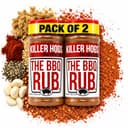
Killer Hogs The BBQ Rub

Killer Hogs The BBQ Rub

The competition all-rounder — sweeter and more paprika-led than a Texas brisket rub, which makes it the one bottle to own if you cook pork and chicken too. On brisket it works best as a base layer under coarse pepper rather than on its own.

Best all-purpose
$13.49 · View on Amazon

Price as of September 6, 2026. #ad How we’re funded

The picks in full

#1Best overall

Killer Hogs TX Brisket Dry Rub

A brisket-specific rub from a competition team, built coarse and pepper-forward the way Texas brisket wants. The coarse grind is the detail that matters: fine rubs dissolve into the surface and disappear, while a coarse pepper-and-salt grind builds physical texture that becomes bark.

Strengths

  • Purpose-built for brisket rather than an all-purpose rub
  • Coarse grind builds real bark texture
  • Pepper-forward profile in the Central Texas tradition

Trade-offs

  • Pricier per ounce than mixing your own salt and pepper
  • Contains salt, so you cannot season the meat separately
Fuel / powerNot published
StyleTexas brisket (pepper-forward)
Net weight16.3 oz (stated)
GrindCoarse
Contains saltYes

Specs read from the manufacturer listing, on August 10, 2026. “Not published” means the maker does not state that figure.

#2Best for dark bark

Hardcore Carnivore Black All-Purpose Beef Seasoning

The rub that makes brisket look like the photos. Activated charcoal turns the crust genuinely black rather than the muddy brown most rubs produce, and underneath it is a straightforward beef seasoning. If you have ever been disappointed by how pale your bark looked, this is the fix.

Strengths

  • Activated charcoal gives a genuinely black crust
  • Beef-specific profile rather than a sweet all-purpose rub
  • Widely used on competition beef

Trade-offs

  • The color is cosmetic — it does not deepen flavor
  • Stains cutting boards, gloves and grout
Fuel / powerNot published
StyleBeef seasoning (charcoal-blackened)
Net weight13 oz (stated)
Contains saltYes
GrindNot published

Specs read from the manufacturer listing, on August 10, 2026. “Not published” means the maker does not state that figure.

#3Best savory profile

Kosmos Q Cow Cover BBQ Dry Rub

A savory, smoky beef rub that leans into umami rather than sugar — which is the right instinct for a cut that spends twelve hours in smoke. It is a good middle path if straight salt-and-pepper reads as too plain but a sweet competition rub reads as too much.

Strengths

  • Savory and smoky rather than sugar-led
  • Beef-specific formulation
  • Low enough in sugar to survive a long cook

Trade-offs

  • Smallest bottle here — a big packer uses a lot of it
  • Finer grind than a dedicated bark-building rub
Fuel / powerNot published
StyleSavory beef rub
Net weight10.5 oz (stated)
Contains saltYes
GrindNot published

Specs read from the manufacturer listing, on August 10, 2026. “Not published” means the maker does not state that figure.

#4Best value Texas-style

SuckleBusters SPG All-Purpose Rub (Salt, Pepper, Garlic)

The Texas default in a shaker: sea salt, black pepper and garlic, in that order, from a Texas rub maker that has been selling this blend since 2006. It is the closest bottled thing to the salt-and-pepper rub that built Texas brisket — a savory backbone with none of the sugar-led profile that gets a twelve-hour cook into trouble.

Strengths

  • Sea salt, black pepper and garlic lead the ingredient list
  • Sugar sits fourth, behind all three — it survives a long cook
  • All-natural, no MSG and naturally gluten free, in a 14.5 oz shaker

Trade-offs

  • Contains turbinado sugar — not a pure salt-and-pepper Dalmatian rub
  • Simple enough that mixing your own salt and 16-mesh pepper is genuinely viable
Fuel / powerNot published
StyleTexas SPG (salt, pepper, garlic)
Contains saltYes
Net weight14.5 oz (stated)
GrindNot published

Specs read from the manufacturer listing, on August 24, 2026. “Not published” means the maker does not state that figure.

#5Best all-purpose

Killer Hogs The BBQ Rub

The competition all-rounder — sweeter and more paprika-led than a Texas brisket rub, which makes it the one bottle to own if you cook pork and chicken too. On brisket it works best as a base layer under coarse pepper rather than on its own.

Strengths

  • Genuinely versatile across beef, pork and poultry
  • Layers well under a coarse pepper top coat
  • Long competition track record

Trade-offs

  • Sweeter than a traditional Texas brisket profile
  • Sugar content can darken fast on a hot cook
Fuel / powerNot published
StyleAll-purpose competition BBQ
Net weight11 oz (stated)
Contains saltYes
GrindNot published

Specs read from the manufacturer listing, on August 10, 2026. “Not published” means the maker does not state that figure.

What actually matters in a brisket rub

Grind size is the whole game.Bark is a physical structure — a crust built from rendered fat, smoke compounds and the seasoning particles sitting proud of the surface. A coarse grind (the classic reference point is 16-mesh butcher pepper) leaves particles large enough to stay distinct through the cook, which is what gives good bark its texture. A fine, powdery rub dissolves into the surface moisture in the first hour and contributes flavor but almost no structure. This is why a coarse rub and a fine rub with identical ingredient lists produce visibly different brisket.

Sugar is a liability on brisket, not an asset.On ribs or chicken — four hours, moderate heat — sugar caramelizes into something lovely. On a brisket sitting in smoke for twelve hours, sugar has far too long to darken, and past a point that darkening stops being caramelization and starts being scorch. Sweet competition rubs can work on brisket, but they want a lower pit temperature and an earlier wrap. The pepper-forward Texas profile exists partly because it is the profile that survives the cook. The same arithmetic is why sugar belongs at the endof a brisket rather than on it from the start — our barbecue sauce roundup covers where a sugar-forward bottle actually earns its place.

Salt position decides your control.Almost every rub here contains salt, which means seasoning and salting happen in the same motion. That is convenient and it is also a loss of control: you cannot salt a 15-pound packer properly and then season it lightly, because the two are welded together. If you want to dry-brine with kosher salt the night before and add seasoning in the morning, you need a salt-free rub or your own blend. It’s the single biggest reason experienced cooks drift back to mixing their own.

How much rub does a packer need?

More than people expect. A 12- to 15-pound whole packer has a great deal of surface area, and a genuinely even coat on all sides typically takes most of a standard shaker bottle. If a bottle is lasting you three briskets, you are almost certainly under-seasoning — a common reason a brisket tastes flat in the middle of the flat despite a good bark at the edges. Season from a height so the rub falls evenly rather than landing in clumps, and cover the sides, not just the top and bottom.

Timing matters as much as quantity. Applying rub and cooking immediately gives you seasoning on the surface; applying it and resting the brisket in the fridge overnight lets salt migrate into the meat and dry the surface, which helps bark formation. Both work. The overnight approach is more forgiving and needs no extra equipment, which is why we recommend it in the seasoning guide.

Rub, then smoke — the wood matters more

One last piece of perspective. If you are choosing between upgrading your rub and upgrading your smoke wood, upgrade the wood. Rub sits on the surface; smoke penetrates and defines the flavor of the whole cut. A brisket seasoned with plain salt and pepper over good post oak chunkswill beat a brisket wearing a boutique rub over acrid wood every single time. The rub is the last five percent, and it is worth getting right — after the rest is handled.
Frequently asked questions

What is the best rub for brisket?

For a traditional Texas result, a coarse salt-and-pepper-forward rub is the best choice — our top pick is Killer Hogs TX Brisket, which is built coarse and pepper-led specifically for beef. But equal-parts coarse kosher salt and 16-mesh black pepper, mixed yourself, produces excellent brisket and costs a fraction as much. A bottled rub buys convenience and a savory backbone, not a fundamentally better brisket.

Do I need a special brisket rub, or will any BBQ rub work?

Any BBQ rub will work, but sweeter all-purpose rubs are a poorer fit. Brisket cooks for ten to fourteen hours, and sugar-heavy rubs have far too long to darken at pit temperature — they can turn from caramelized to scorched. Beef-specific and Texas-style rubs are typically low in sugar and coarse in grind, which is why they suit the cut. If all you own is a sweet rub, run a slightly lower pit temperature and wrap a little earlier.

How much rub do I need for a whole brisket?

Most of a standard shaker bottle for a 12-15 lb packer. The surface area of a whole brisket is much larger than it looks, and under-seasoning is far more common than over-seasoning. Apply from about a foot above the meat so the rub falls evenly rather than clumping, and remember to season the sides as well as the top and bottom.

Should I put rub on the night before?

It helps. Seasoning the night before and resting the brisket uncovered in the fridge lets the salt migrate into the meat and dries the surface, both of which improve bark formation. Seasoning immediately before the cook also works and is what many pitmasters do — you just get seasoning that sits more on the surface. Neither is wrong; overnight is slightly more forgiving.

Does the rub need mustard or a binder underneath?

No. A binder like yellow mustard or hot sauce helps rub stick to the meat, and it does that job well, but it contributes essentially nothing to the finished flavor — it cooks off entirely. A brisket's own surface moisture is usually enough to hold a rub on its own. Use a binder if your rub is falling off, and skip it otherwise; it is a convenience, not a technique.

Is a salt-free rub better?

It is better if you want control. A salt-free rub lets you dry-brine with kosher salt the night before — salting by weight, properly — and then add seasoning separately in the morning. With a salted rub, the two are locked together and you can only season as heavily as you want to salt. For most people that trade is fine. For anyone chasing consistency across cooks, separating salt from seasoning is the single most useful change.

Sources

Keep reading