Charcoal vs Electric Smoker for Brisket
One of these cooks a better brisket and one of them lets you sleep. That is the entire comparison, and it is worth being honest about which side of it you are actually on before you spend the money.
How this is funded: we earn a commission if you buy through our links, at no extra cost to you. It never changes which product we recommend, and we’ll tell you plainly when we’d skip one. Full disclosure.
If you want to cook brisket, buy charcoal. If you want to eat brisket, buy electric. Our pick on each side is the Weber Smokey Mountain 22" and the Masterbuilt 40-inch digital cabinet, and the choice between them is not really about quality — it is about how much of a twelve-hour cook you want to be present for. Charcoal delivers better bark and more smoke flavor because it is actual combustion; electric delivers a brisket you can start at midnight and ignore until breakfast.
There is also a third answer that genuinely splits the difference, and most pages on this question do not mention it. A gravity-fed charcoal smoker burns real charcoal and wood but runs it with a fan and a digital controller. If you were hoping not to have to choose, skip to that section.
What a fire does that an element does not
This is the part that decides the flavor argument, and it is worth getting right rather than hand-waving about “real smoke.”
An electric smoker heats the chamber with a resistance element and makes smoke separately, from a small tray or loader of wood chips smoldering next to or above that element. The heat and the smoke are two different systems. That is exactly why it is easy to control — the thermostat can hold a temperature without caring what the wood is doing.
A charcoal smoker makes heat and smoke from the same event. Burning charcoal and wood produces a long list of combustion products, and three of them matter to a brisket:
Nitric oxide, which reacts with myoglobin at the surface of the meat and is what actually produces the smoke ring. A chip tray makes far less of it, so electric briskets often have a faint ring or none. This is cosmetic — it has no effect on flavor — but people care, so it is worth naming honestly.
The aromatic compounds we taste as smoke, which come from wood pyrolyzing in a particular temperature band. A smoldering chip tray does produce them; a fire produces more, and over a longer period.
Dry radiant heat and airflow, which drive the surface moisture off and let bark set. This is the under-discussed one. An insulated electric cabinet is a relatively humid, still environment, and bark needs the opposite. It is why electric brisket more often comes out with a softer crust.
None of that makes electric brisket bad. It makes it a brisket with less bark and less smoke than the same cook on charcoal, which is a real difference and a smaller one than purists claim. A smoke tube full of pellets, lit and set in the chamber, closes most of the smoke-flavor gap for the price of a lunch, because it is real combustion happening inside an electric cooker.
What a thermostat does that vents do not
Now the other side, argued just as seriously. A brisket is a twelve-to-sixteen-hour cook whose critical phase — the stall — often lands in the middle of the night. An electric cabinet does not need you for any of it.
On a charcoal cooker you are the controller. You set the intake vents, the fire finds an equilibrium, and then the weather, the fuel bed and the ash change that equilibrium over several hours. Experienced cooks read this easily. First-timers do not, and the classic failure is overcorrecting — shutting the vents down hard at 260°F, watching it crash to 190°F, opening them wide, and oscillating for an hour.
Two things make a charcoal brisket much easier than this sounds, and they are why we still recommend it to beginners. The first is the water pan: a pan of water cannot exceed boiling, so a bullet smoker is physically anchored near the right temperature. The second is the lighting method — a Minion or snake burn only lights a small part of the fuel at once, so the fire cannot run away from you in the first place.
What electric still has over that is a number you set rather than a range you manage, plus no fuel to top up. If you are cooking brisket while also hosting the party the brisket is for, that is worth a great deal.
Side by side, on published figures
| Weber Smokey Mountain 22" (charcoal) | Masterbuilt 40" Digital (electric) | Masterbuilt Gravity 600 (both) | |
|---|---|---|---|
| Fuel | Charcoal + wood chunks | Electric element + wood chips | Charcoal + wood, fan-driven |
| Stated cooking area | 726 sq in across two 22 in grates | 970 sq in over four racks | 600 sq in |
| Temperature control | Manual vents + water pan | Digital thermostat | Digital fan + Wi-Fi app |
| Published unattended burn | Not published | Mains powered — no fuel limit | Up to 18 hours at 225°F |
| Needs mains power? | No | Yes | Yes |
| Adds smoke without opening the door? | Not applicable — chunks go on the fire at the start | Yes — side chip loader | Yes — hopper feeds continuously |
| Running cost per cook | Charcoal + wood (highest here) | Electricity + a few chips (lowest) | Charcoal + wood + a little power |
Every figure is the maker’s or the listing’s own, read on the date in each product’s spec table. “Not published” means we could not find the maker stating it — Weber publishes no burn time for a load of charcoal, and we are not going to estimate one. Note that total cooking area on a multi-rack cabinet is the sum of all racks; a brisket occupies one, which is why the 970 sq in figure is not four times as useful as it looks.
The gravity smoker, which is genuinely both
If the trade above feels like a false choice, it partly is. A gravity-fed charcoal smokerdrops charcoal down a vertical hopper onto a small fire and uses a fan to decide how hard that fire burns. The combustion is real — charcoal and wood chunks, nitric oxide, bark-building heat — and the control is digital.
The published numbers are the reason it belongs in this comparison rather than as a footnote. Masterbuilt states up to 18 hours at 225°F from one hopper on the Gravity 600, and a 12-pound packer runs twelve to sixteen hours. That is a whole brisket with no top-up, on charcoal, holding a number you set from your phone.
Two honest costs. It needs mains power, which makes it less robust than a bullet smoker in a storm or at a campsite. And it is priced like a good pellet grill, so if your reason for considering electric was the budget, this is not the answer — the budget roundup is.
Who should buy which
Buy charcoal if: you want the best brisket this money will produce, you are interested in the cook itself rather than only the result, you want a cooker that works without electricity, or you are buying your first real smoker and intend to learn. The charcoal roundup starts here.
Buy electric if:you cook on a schedule you cannot babysit, you are nervous about fire management, you want the lowest running cost, you need the cooker to work reliably in winter, or the smoker lives somewhere that makes an open charcoal fire awkward — which is its own deck-and-balcony question.
Buy gravity if: you want charcoal combustion and digital control and are prepared to pay pellet-grill money for it.
One thing we will not tell you: that an electric smoker cannot make good brisket. It can. What it cannot do is make the bark and the smoke that a fire makes, and the difference is smaller than the internet thinks and larger than the manufacturers suggest.
One cooker from each side, and the one that is both
Every figure below comes from the maker’s or the listing’s own words, read on the date in each product’s spec table. Prices are live and refresh daily.
The charcoal answer
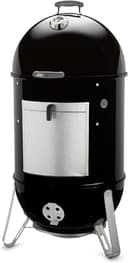
Weber Smokey Mountain Cooker 22"
Two 22 in grates and 726 sq in across them, so a full packer lies flat without folding. The water pan is why a bullet smoker holds 225-250°F overnight on manual vents - it is a thermal buffer doing the job a thermostat does on an electric. Our top charcoal pick overall.
$549.00 · View on AmazonSee charcoal picksPrice as of October 22, 2026. #ad How we’re funded
The electric answer
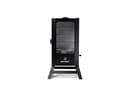
Masterbuilt 40" Digital Electric Vertical Smoker
970 sq in over four racks (stated) and a side wood-chip loader, which matters more than it sounds: you add smoke without opening a four-foot door and dumping the chamber temperature. The digital thermostat holds your number while you sleep. It is the electric cabinet a packer actually fits in.
$399.99 · View on AmazonSee electric picksPrice as of October 22, 2026. #ad How we’re funded
If you refuse to choose
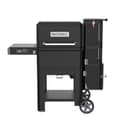
Masterbuilt Gravity Series 600 Digital Charcoal Grill + Smoker
Real charcoal and wood for the smoke, a digital fan and app for the control - the gravity-fed design is the closest thing to both answers at once. Masterbuilt states up to 18 hours at 225°F from one hopper, which covers a whole brisket unattended. The catch is published too: no electricity, no cook.
$749.00 · View on AmazonSee gravity picksPrice as of October 22, 2026. #ad How we’re funded
Frequently asked questions
Is a charcoal or electric smoker better for brisket?
Charcoal produces a better brisket; electric produces a brisket with far less of your attention. If the question is which cut of meat each one flatters, charcoal wins on the two things people actually judge a brisket by - bark and smoke flavor - because a real fire makes combustion products that a heating element and a chip tray make much less of. If the question is which one a first-time cook finishes successfully at 3am, electric wins, because a digital thermostat does not need you to open a vent. Our recommendation is charcoal if you want to learn to cook brisket, electric if you want brisket without learning to cook it.
Do electric smokers make a smoke ring?
They can, but it is harder, and the reason is chemistry rather than quality. The smoke ring is nitric oxide from combustion reacting with myoglobin in the surface of the meat. An electric element plus a small tray of smoldering chips produces much less of that gas than a charcoal and wood fire does, so the ring is usually fainter or absent. The fix most electric owners land on is a smoke tube loaded with pellets, which is actual combustion happening inside the chamber. Our smoke-ring guide covers what does and does not influence it.
Will an electric smoker get hot enough for brisket?
Yes for the cook, with a caveat about the finish. The Masterbuilt 30-inch cabinet and the EAST OAK both state a 100-275°F range, which comfortably covers the 225-275°F brisket window. What an electric cabinet will not do is run hot - there is no 350°F push to tighten up bark at the end, and no searing. For brisket that is a minor loss. It becomes a real limit only if you wanted one cooker for brisket and for grilling, which is a different question and a different page.
Is a charcoal smoker hard to use for a first brisket?
Harder than electric, much easier than its reputation. On a bullet smoker like the Weber Smokey Mountain, the water pan does most of the work a thermostat would: a few gallons of water will not go above boiling, so the chamber is physically anchored near the temperature you want. You light it with the Minion or snake method, set the vents, and the cooker holds a range rather than a number. The skill is reading vents, not fighting a fire, and it takes about one cook to learn.
Which is cheaper to run, charcoal or electric?
Electric, by a wide margin, and this is the honest point in its favor that rarely gets made. An electric cabinet draws a stated 800 watts on the EAST OAK, and it only draws it when the element is on - so a twelve-hour brisket costs a few kilowatt-hours plus a handful of wood chips. A charcoal cook burns through a meaningful fraction of a bag of charcoal plus wood chunks every time. Over a few years of regular cooking that running-cost gap is larger than the difference in purchase price.
Can you use an electric smoker in cold weather?
Better than most charcoal cookers, with one limit. An insulated cabinet with a thermostat responds to cold by running the element more, and there is no fire to blow out - the Char-Broil analog cabinet publishes a double-wall insulated steel body, which is a genuine advantage in winter. The limit is that a cheap, uninsulated cabinet may simply not keep up when it is near freezing and windy, because the element has a fixed maximum output. Our cold-weather smoker page ranks on exactly this.
Is a gravity smoker a good compromise?
It is the most honest compromise on the market: real charcoal and wood for combustion, a fan and digital controller for the temperature. Masterbuilt states up to 18 hours at 225°F from one hopper on the Gravity 600, which means a whole brisket without a top-up. Two costs to know about. It needs mains power, so a blackout ends the cook in a way it would not on a bullet smoker. And it is in the price bracket of a capable pellet grill, so it is not the budget answer to this question.
Sources
- USDA FSIS — Smoking Meat and Poultry — USDA on safe smoking practices, thermometer use and approved smoker materials (accessed July 22, 2026)
- USDA FSIS — "Danger Zone" (40°F - 140°F) — USDA: bacteria multiply fastest between 40°F and 140°F — the food-safety basis for the 4-hour rule (accessed July 22, 2026)
- USDA FSIS — Cooking Guideline for Meat and Poultry (Appendix A) — USDA reference on lethality — why long low-temperature cooks are safe despite being below 145°F for hours (accessed July 22, 2026)
Keep reading
Best Charcoal Smoker for Brisket
The bullet smokers and drums, ranked on grate size against a full packer.
See the roundupBest Electric Smoker for Brisket
The cabinets that fit a packer, and the one trade you accept for set-and-forget.
See the roundupElectric vs Pellet Smoker
The other half of the convenience question: both are thermostatic, only one burns wood.
Read the comparisonPellet vs Charcoal for Brisket
Where the smoke flavor difference actually comes from, and how big it really is.
Read the comparisonSmoking Brisket in an Electric Smoker
The method adjustments an electric cabinet needs, including the chip-tray rhythm.
Read the guideBest Smoke Tube for Brisket
The accessory that closes most of the smoke-flavor gap on an electric or pellet cooker.
See the picks