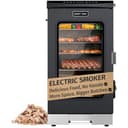
Size is the spec that catches people out
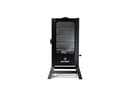
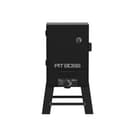
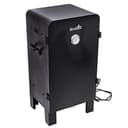
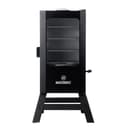
A whole packer brisket is 16 to 20 inches long after trimming. A 30-inch electric cabinet has racks around 15 inches wide. The arithmetic is unforgiving: on the smaller cabinets you will be folding the brisket, propping it against the wall of the smoker, or cutting it in half.
None of those is fatal — plenty of good brisket has been cooked folded — but a folded brisket cooks unevenly, because the doubled-over section is effectively twice as thick. If you intend to cook whole packers regularly, the 40-inch cabinets are worth the extra outlay for that reason alone. If you mostly cook flats, or you are happy to separate the point from the flat before cooking, a 30-inch cabinet is entirely adequate and considerably cheaper.
Getting more smoke out of an electric
The chip tray is the weak point, and there are two reasons. First, chips are small and burn out in 20 to 45 minutes, so a twelve-hour cook means a lot of reloading. Second, on cabinets without a side loader, reloading means opening the main door — which dumps your heat and your humidity and extends the cook. This is why a side chip loader is the single most useful feature on an electric smoker, and why it is worth paying for.
Beyond that, the reliable improvements are: load chips early and often during the first four hours rather than spreading them across the cook, since the surface takes smoke best while it is cool and damp; use chips rather than chunks, because chunks often will not ignite properly against an element; and consider a pellet smoke tube, which burns independently of the element and adds smoke for hours without opening anything. That last one is the closest thing to a genuine fix.
Digital or analog?
Less important than the price gap suggests. A digital controller lets you set an exact number and often adds a meat probe and Bluetooth; an analog dial is a position on a knob that you calibrate by watching a thermometer. For brisket you set one temperature at the start and leave it there for twelve hours, so the precision of the initial setting matters far less than the stability afterwards — and both types are stable, because both are just a thermostat cycling an element.
What you should not do is trust the built-in door thermometer on any of them. Cheap bimetallic dial thermometers are frequently 20 to 30°F out and they measure air at the door rather than at the grate. Use an independent leave-in probe for pit temperature and meat temperature both. That advice applies to every smoker type, but it applies most to the cheap end of the electric market.
Two questions sit either side of this roundup and both have pages of their own. If you are still weighing the format itself, our charcoal against electric comparison argues the trade honestly in both directions. And if the reason you are looking at an electric cabinet is that an open fire is not permitted where you cook, start with whether you can use a smoker on a deck or balcony — that is a lease and fire-code question before it is a product one.
Weather, and the one real advantage
The insulated double-wall construction that makes electric cabinets mediocre at smoke makes them excellent in cold and wind. A thin-walled offset in a February wind is a genuinely difficult cook — you are fighting heat loss all night and burning enormous amounts of fuel. An insulated electric box barely notices, because the thermostat simply runs the element a little longer.
If you smoke year-round in a cold climate, this is a bigger deal than it sounds and is the strongest practical argument for electric. It is the same argument that makes insulated cabinets popular with competition teams, who cannot choose the weather on contest day.