How to Smoke a Brisket on a Gravity Smoker
A gravity feed is the closest thing to having it both ways: a real charcoal fire with real wood chunks, held at your set temperature by a fan and a controller. The catch is that everything depends on a column of fuel feeding itself reliably for twelve hours.
How this is funded: we earn a commission if you buy through our links, at no extra cost to you. It never changes which product we recommend, and we’ll tell you plainly when we’d skip one. Full disclosure.
A gravity-fed smoker solves a problem that looked unsolvable: how do you burn real charcoal and real wood, which is what makes barbecue taste like barbecue, without standing over it for twelve hours?
The answer is mechanical rather than electronic. A tall insulated hopper holds a column of charcoal. The fire burns at the bottom. As fuel is consumed, gravity feeds more down into the burn zone, and a thermostat-driven fan controls how fast that fuel burns by controlling how much air reaches it. More air, hotter fire, more fuel drawn down. Less air, the fire damps back.
Everything that goes right and everything that goes wrong on this cooker comes back to that column of fuel.
The hopper is the cook
On an offset you manage a fire. On a gravity feed you manage a fuel path, and you do almost all of that management before you light anything.
Use large, dense lump. This is the one place where big irregular chunks of lump beat both briquettes and small lump. Large pieces leave bigger air gaps, feed down under their own weight more reliably, and burn longer per hopper load. Small lump and fines pack tightly, restrict airflow, and are the usual cause of the hopper bridging — jamming into an arch that holds the column up while the fire below it runs out of fuel. A bridged hopper looks exactly like a controller failure and is not one.
Fill it properly. A half-loaded hopper on a twelve-hour brisket is a cook you will have to interrupt at an inconvenient hour. Published burn times vary wildly across the category, and the ones we can cite come straight from the manufacturer — see the gravity roundup for the stated figures model by model.
Where the wood goes
This is the mistake almost everyone makes on their first gravity cook: chunks piled on top of a full hopper.
The burn zone is at the bottom. Fuel is consumed from below and the column descends. Anything sitting on top of the hopper is the last thing that will burn, which means it reaches the fire at hour ten — long after the brisket surface has dried and set and stopped absorbing smoke in any meaningful quantity.
Instead, layer four to six chunks through the charcoal as you load it: a few inches of lump, a chunk or two, more lump, more chunks. Each one arrives in the fire in sequence, and you get smoke distributed across the part of the cook where it actually matters. Post oak is the sensible default for the same reasons it is everywhere else on this site — see post oak vs hickory.
Clear the ash first, every time
A gravity smoker’s fire depends entirely on forced air reaching it. Ash accumulates in a pan directly beneath that fire and progressively strangles the airflow the fan is relying on.
The symptom is insidious: the cook starts perfectly, holds 250°F for five hours, then begins drifting down while the controller runs the fan harder and harder trying to compensate. People blame the unit. It is almost always ash. Empty the pan completely before every long cook, not after the last one, because ash absorbs moisture sitting in a garage and cakes.
Keep the door shut
A fan-driven cooker responds to a door opening by burning fuel hard to recover. On an offset you pay for a door opening in heat; on a gravity feed you pay in hopper hours, and hopper hours are the resource you are short of.
Plan your interventions. The brisket needs to be looked at when you wrap it, and that is genuinely about it. If you want to watch something, watch a probe.
Run your own probes
The cabinet sensor reports the temperature at the cabinet sensor, which is not where your brisket is. Gravity cabinets are tall, and tall chambers have real vertical gradients — often 20°F or more between the top rack and the bottom.
Put one probe at grate level beside the meat and one in the thickest part of the flat, and believe those. Then cook to probe tenderness rather than to a number, as always.
The rest of the cook is just brisket
Nothing after this point is gravity-specific. The stall arrives on schedule. Wrap in butcher paper once the bark is firm — and bark forms well on these cookers, better than on a pellet grill, because you are running a genuine charcoal fire with real combustion products in the chamber. Then rest it properly.
The one thing that ends a gravity cook
Fuel. Not the controller, not the fan, not the weather. Every gravity smoker horror story is a hopper that ran dry or bridged at three in the morning.
So the rule is simple and it is the only one worth memorizing: top up the hopper before you go to bed. Not when it looks low. Before you sleep, regardless. Set a low-temperature alarm on an independent probe as a backstop, because a charcoal cooker whose fire has gone out cools steadily, and USDA guidance on holding meat out of the danger zone does not make an exception for expensive cabinets.
What a gravity cook depends on
On a gravity feed, what you put in the hopper is the cook. Prices are live and refresh daily.
The hopper fuel
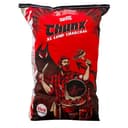
Jealous Devil Chunx XL Lump Charcoal
Large, dense lump burns longer per hopper load and bridges less than small irregular pieces, which is the whole ballgame on a gravity feed.
$52.99 · View on AmazonSee charcoal picksPrice as of October 22, 2026. #ad How we’re funded
The wood
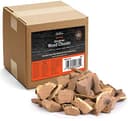
Camerons Products Oak Smoking Wood Chunks
Chunks layered into the hopper between charcoal, so each one reaches the burn zone in turn rather than all at the start.
$34.95 · View on AmazonSee wood picksPrice as of October 22, 2026. #ad How we’re funded
The cabinet
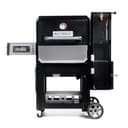
Masterbuilt Gravity Series 800 Digital Charcoal Smoker
Hopper burn time is the spec that decides an unattended brisket, and it varies enormously across the range.
$889.99 · View on AmazonSee gravity smokersPrice as of October 22, 2026. #ad How we’re funded
Frequently asked questions
How long does a hopper of charcoal last on a brisket cook?
It depends heavily on the model, the set temperature and the weather, and the published figures vary enormously across even a single manufacturer's range — Masterbuilt states up to 18 hours at 225°F on the Gravity Series 600, up to 10 on the 1050 and up to 8 on the XT. Bigger chambers burn more fuel per hour. Treat any published number as a best case in mild weather, and check the hopper before you go to bed rather than trusting it.
Do gravity smokers make as much smoke as an offset?
No, but they make considerably more than a pellet grill. A gravity feed burns real lump charcoal and lets you add fist-sized wood chunks, so you get genuine combustion smoke rather than the output of compressed sawdust in an efficient fire pot. Ranked honestly for flavor: offset first, gravity second, pellet third. The gap between gravity and offset is real but much smaller than the gap between gravity and pellet.
Where do the wood chunks go in a gravity smoker?
Layered through the charcoal in the hopper, not piled on top and not in a separate tray. The burn zone is at the bottom of the column and works upward, so chunks buried at intervals arrive in the fire in sequence and give you smoke spread across the cook. Chunks sitting on top of a full hopper will not burn until the very end, by which time the brisket has long since stopped taking on smoke.
Why did my gravity smoker lose temperature mid-cook?
Three usual causes, in order of likelihood. A choked ash pan restricting airflow to a fan-fed fire. A bridged hopper, where the fuel has jammed and stopped feeding down into the burn zone — more common with small, irregular lump. Or simply running out of charcoal. All three are fuel-path problems rather than controller faults, which is why hopper discipline matters more on this cooker than on any other automated one.
Can you smoke a brisket overnight on a gravity smoker?
Yes, and it is one of the better cookers for it — a controller holds the temperature and there is no fire to feed by hand. The one thing that will end the cook is the hopper running dry or bridging while you sleep, so top it up before bed and set a low-pit alarm on an independent probe. A gravity cabinet that runs out of fuel at 3am cools like any other charcoal cooker, and meat should not sit in a chamber falling toward the USDA danger zone.
How much ash does a gravity smoker make?
Substantially more than a pellet grill, because charcoal is inherently ashy and you are burning a lot of it. The ash collects in a pan below an active fire and progressively restricts the airflow the fan depends on. Clear it completely before every long cook — not after. Ash management is the single most-skipped maintenance step on these cookers and the direct cause of most mid-cook temperature drift.
Sources
- USDA FSIS — Smoking Meat and Poultry — USDA on safe smoking practices, thermometer use and approved smoker materials (accessed July 22, 2026)
- ThermoWorks — Smoked Brisket: A How-To Primer — ThermoWorks on brisket internal temperature, probe tenderness and the stall (accessed July 22, 2026)
- USDA FSIS — Safe Minimum Internal Temperature Chart — USDA safe minimum internal temperatures, incl. 145°F for beef cuts plus a 3-minute rest (accessed July 22, 2026)
Keep reading
Best Gravity Smoker for Brisket
Every gravity cabinet compared on hopper burn time.
See gravity picksMasterbuilt Gravity Series 800 Review
The cabinet most people in this category are actually considering.
Read the reviewGravity vs Pellet Smoker
The comparison that decides most purchases in this bracket.
Read the comparisonBest Charcoal for Smoking
Hopper fuel is the single biggest variable in a gravity cook.
See charcoal picks