The hopper number is the brisket number
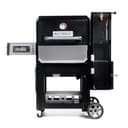
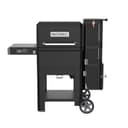
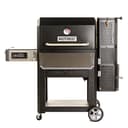
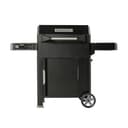
Read the published burn times above in order and the pattern is counter-intuitive. Masterbuilt states the Gravity Series 600 runs up to 18 hours at 225°F on one hopper. The much larger and much more expensive 1050 is stated at up to 10 hours, and the compact AutoIgnite 545 at up to 8. The reason is straightforward — a bigger chamber loses more heat, so it burns more charcoal per hour to hold the same temperature — but it means that for a single overnight brisket, the smallest and cheapest cabinet in the range is the one you can actually go to bed with.
This is not a reason to dismiss the larger machines. If you are cooking two packers for a party, 600 square inches will not do it and 1,050 will — our Gravity Series 1050 reviewtakes that cooker apart on its own published figures, including the two different hopper runtimes Masterbuilt prints on one page. But it does mean the usual buying instinct — get the biggest one you can afford — is actively wrong here if brisket is your main cook and you cook one at a time. Buy the burn time, not the square inches.
Topping a hopper up mid-cook is not difficult, incidentally. You open the lid and add charcoal. The reason it matters is that it has to happen at a specific hour, and the appeal of the whole category is not having to be awake at a specific hour.
What gravity actually does for smoke flavor
The honest position: a gravity smoker gives you more smoke flavor than a pellet grill and less than an offset. The fuel is real lump charcoal and you can add wood chunks to the ash pan or firebox, so you get genuine wood combustion rather than the very clean, very complete burn of compressed sawdust pellets. That is a real, noticeable difference — it is the main reason to choose this category over a pellet grill.
But a fan-forced fire burns efficiently, and efficient combustion is exactly what produces less of the aromatic material we taste as smoke. An offset’s lazy, oxygen-limited log fire produces more. If maximum smoke is the point of brisket for you, a gravity cabinet will not fully satisfy, and an offset is the honest recommendation even though it costs you your night’s sleep.
One genuine advantage worth naming: because these run charcoal, they get properly hot — Masterbuilt states 225-700°F across the Gravity Series. The same machine that ran your brisket overnight will sear a steak at dinner the next day, which no pellet grill does nearly as well.
The failure modes, stated plainly
It needs power. No electricity means no fan, no controller and no fire management. A power cut mid-brisket is a genuine problem, in a way that it simply is not for a bullet or drum smoker.
There is more to go wrong. A fan, a control board, a temperature probe, a hopper gasket and an ash management system are five things a Weber Smokey Mountain does not have. Owners report controller and fan replacements as the common service items across this category; Masterbuilt sells the parts, which is the mitigating factor, but it is a maintenance profile closer to an appliance than to a steel box.
Ash is a real chore. Charcoal produces vastly more ash than pellets, and in a gravity system the ash falls into a pan under a burning hopper. Clear it before every long cook. A choked ash pan restricts airflow, and restricted airflow on a fan-controlled fire is how a cook quietly drifts off temperature at hour nine.
Running a brisket on one
Set it to 250°F rather than 225°F unless you have a specific reason to run lower. The extra 25 degrees costs you almost nothing in tenderness, meaningfully shortens the cook, and buys margin against the hopper running dry. Put your wood chunks in early — smoke uptake is heaviest in the first few hours, while the surface is still cool and damp, and it stops entirely once you wrap.
Do not trust the built-in probe alone. Every controller reads at one fixed point, and that point is not where your brisket is. Clip an independent probe at grate height next to the meat; if the two disagree by more than fifteen degrees, believe the one next to the brisket and adjust your set point to compensate.
Then treat it like any other brisket: pull on probe tenderness rather than a number, and rest it properly. A thermostat removes the fire from the list of things that can ruin your brisket. It does not remove any of the others.