Post Oak vs Pecan for Brisket
This is the most evenly matched wood comparison on the site. Neither will ruin a brisket, both are used by pits worth taking seriously, and the honest answer involves burning them together.
How this is funded: we earn a commission if you buy through our links, at no extra cost to you. It never changes which product we recommend, and we’ll tell you plainly when we’d skip one. Full disclosure.
Our other two wood comparisons have clear verdicts. Post oak beats mesquite for brisket by a wide margin, because mesquite is too strong to run for twelve hours. Post oak edges hickory on forgiveness.
This one does not have a clear verdict, and pretending otherwise would be dishonest. Post oak and pecan are close, both are used by pits worth respecting, and the difference is one of character rather than quality.
The one thing that actually separates them
Not strength. Both sit comfortably in the medium band, and both are far away from mesquite.
The difference is direction. Post oak is clean and neutral-leaning — it tastes of smoke and lets the beef lead. Pecan is sweeter, faintly nutty, more aromatic. It has a recognizable character of its own.
Whether that character is an asset depends entirely on what you want from a brisket. If you want beef, salt, pepper and smoke — the Central Texas position — oak is the correct wood because it does not compete. If you find that austere and want the smoke itself to be interesting, pecan gives you that.
Neither preference is wrong. But they are genuinely different intentions, and it is worth knowing which one is yours before you buy a bag.
Where duration comes in
The reason we generally favor milder woods on this site is not that strong smoke is unpleasant. It is that smoke accumulates, and brisket is the longest cook in barbecue.
A wood that is perfect over three hours of pork ribs can be too much over the four-to-six hour window in which a brisket is actually absorbing smoke. Everything slightly assertive in hour one is considerably more assertive by hour five.
Oak has the most headroom of any common smoke wood. It is genuinely difficult to over-smoke a brisket with it, which is why it is our default recommendation for anyone still learning their fire.
Pecan has less headroom — not much less, but some. Its sweetness is the part that accumulates, and a heavy hand can end up somewhere cloying. The fix is simply to use fewer chunks, which is easy once you know to.
The answer most people should actually use
Burn both.
Oak as the base, carrying the bulk of the cook, and a smaller proportion of pecan for character. That is not a compromise position — it is standard practice across a great many Texas pits, and it gives you oak’s forgiveness with pecan’s interest.
On a charcoal smoker or an offset this is trivial: place both kinds of chunk. On a pellet grill it is harder, because you are limited to what is in the hopper — which is one of several reasons we recommend single-species oak pellets for that cooker.
A note on what the wood cannot fix
If your brisket has tasted harsh or acrid, changing species is unlikely to help. That flavor is nearly always the fire rather than the wood — a smoldering, oxygen-starved burn producing heavy white smoke instead of thin blue.
Our bitter brisket diagnosis covers this, and fire management covers the fix. Both woods on this page will taste bad from a bad fire, and both will taste good from a clean one.
Side by side
| Post oak | Pecan | |
|---|---|---|
| Family | Oak | Hickory family — a milder relative |
| Strength | Medium. Clean and neutral-leaning. | Medium. Softer than hickory, richer than oak. |
| Character | Straightforwardly smoky — gets out of the way of the beef | Sweeter, slightly nutty, more aromatic |
| Risk over 12 hours | Very low. Hard to over-smoke a brisket with it. | Low, but it accumulates — heavy-handed use can turn cloying |
| Availability | Widely sold as chunks, splits and pellets | Common as chunks; less common as a single-species pellet |
| Tradition | The Central Texas standard | Common across Texas and the South, often as a blend partner |
| Best for | A first brisket, a long cook, anyone wanting beef to lead | Someone who finds oak too plain and hickory too assertive |
What we would buy
We do not currently carry a standalone pecan pick in the registry, so we are not going to invent one. These are the two woods we do stand behind, and pecan sits between them. Prices are live and refresh daily.
The oak
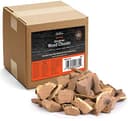
Camerons Products Oak Smoking Wood Chunks
Post oak chunks — the Central Texas default, and the wood you can run for the whole smoke window without the flavor running away from you.
$34.95 · View on AmazonRead the reviewPrice as of October 22, 2026. #ad How we’re funded
The hickory-family alternative
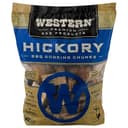
Western Premium BBQ Hickory Wood Chunks
Pecan is in the hickory family, so if you want that direction with more restraint, hickory chunks are the reference point to taste against.
$21.45 · View on AmazonSee chunk picksPrice as of October 22, 2026. #ad How we’re funded
Frequently asked questions
Is pecan good for smoking brisket?
Yes, genuinely. Pecan is in the hickory family but noticeably milder and sweeter, which puts it in a useful middle ground — more character than oak, less assertiveness than hickory. It is widely used across Texas and the South, frequently alongside oak rather than instead of it. If you have cooked oak briskets and found them a little plain, pecan is the sensible next thing to try.
Which is stronger, post oak or pecan?
They are close enough that cook technique matters more than the choice. Both sit in the medium band, well below mesquite and below hickory. The difference is in character rather than intensity: oak reads as clean and straightforwardly smoky, pecan as sweeter and slightly nutty. Someone who has not been told which is which will notice a difference in flavor direction rather than in strength.
Can you mix post oak and pecan?
Yes, and it is arguably the best answer to this comparison. Oak as the base gives you the clean, forgiving smoke that carries a twelve-hour cook, and a smaller proportion of pecan adds the sweetness and aromatic edge without accumulating into something cloying. Blending is completely standard practice — the only thing to avoid is changing several variables at once so you cannot tell what did what.
Is pecan too sweet for beef?
In quantity it can be. Sweetness in smoke is pleasant in small amounts and can turn cloying over a very long cook, and brisket is the longest cook there is. That is not an argument against pecan; it is an argument for using less of it than you would of oak. Three or four pecan chunks across the smoke-absorbing window is plenty, and if you are blending, keep oak as the larger share.
Does pecan work in a pellet grill?
Pecan pellets exist, but be careful about what is in the bag. Most flavored pellets are built on an oak or alder base with a proportion of the named wood, so a bag labeled pecan may be predominantly something else. Single-species pecan pellets are less common than single-species oak. If knowing exactly what you are burning matters to you, oak is the easier species to buy honestly.
Which should I use for my first brisket?
Post oak. Not because it tastes better, but because it is the most forgiving wood over the longest cook in barbecue and it is the one you are least likely to overdo. A first brisket already has plenty of variables — fire management, the stall, the wrap, knowing when it is done — and the wood is the easiest of them to take off the table. Try pecan on your third or fourth, once you have a baseline to compare against.
Sources
- USDA FSIS — Smoking Meat and Poultry — USDA on safe smoking practices, thermometer use and approved smoker materials (accessed July 22, 2026)
- ThermoWorks — Smoked Brisket: A How-To Primer — ThermoWorks on brisket internal temperature, probe tenderness and the stall (accessed July 22, 2026)
Keep reading
Post Oak vs Hickory
The same comparison against pecan's more assertive relative.
Read the comparisonPost Oak vs Mesquite
The wood that ruins more briskets than any other, and why.
Read the comparisonBest Wood Chunks for Brisket
Every chunk option compared on species, size and burn behavior.
See chunk picksWhy Does My Brisket Taste Bitter?
Usually the fire rather than the wood — the creosote diagnosis.
Read the diagnosis