Do You Need a Water Pan for Brisket?
On a bullet smoker, effectively yes. On an offset, optional and useful. On a pellet grill, mostly pointless. And on every cooker ever built, a water pan does not put moisture into the meat — which is the reason most people use one.
How this is funded: we earn a commission if you buy through our links, at no extra cost to you. It never changes which product we recommend, and we’ll tell you plainly when we’d skip one. Full disclosure.
The short answer depends entirely on your cooker, and it is not the answer most people expect. On a bullet smoker like a Weber Smokey Mountain, the water pan is part of how the cooker works and you should use it. On an offset it is a genuinely useful tuning device, particularly on a thin-steel budget pit. In a vertical charcoal or electric cabinet it helps a little. On a pellet grill it is close to pointless, because the thing it does is already done by the controller. And on none of them does it put moisture into the brisket, which is the reason most people reach for one.
What a water pan actually does — three jobs, none of them hydration
1. It is a thermal buffer.This is the big one, and it is why a bullet smoker holds a steady 225 to 250°F overnight so easily. A gallon of water is a very large heat sink: it absorbs energy when the fire runs hot and gives it back when the fire dips, which flattens the temperature curve a great deal. Water also cannot exceed its boiling point while it is evaporating, so it acts as a soft ceiling on how fast the chamber can run away from you. On a cooker that swings, that is the single most valuable thing a pan does.
2. It is a radiant heat shield.On a bullet the charcoal ring sits directly below the meat and the pan is physically between them. Take it out and the fire radiates straight onto the underside of the brisket, which cooks the bottom far faster than the top. On an offset placed at the firebox end, a pan does a similar job on the hot-spot problem that cheap offsets are known for — our offset roundup names a water pan as one of the standard tuning tweaks for exactly this reason.
3. It raises chamber humidity, which slows surface drying. Real, and usefully modest. A damp meat surface takes smoke better, which is why the first few hours matter most for flavor, and it also delays the point at which the bark sets hard. Whether that is a benefit depends on what you want: it helps smoke deposition and can make a slightly more pronounced smoke ring, and it works against a thick dry crust.
The thing it does not do, stated plainly
A water pan does not put moisture into a brisket. Not a little; not at all. The brisket is not a sponge sitting in a steam room — water is leaving the meat throughout the cook, driven out by heat, and humid air in the chamber does not reverse that flow. What it does is slow the rate at which the surface dries. That is a different claim and a much smaller one.
Our dry brisket diagnosisputs it in the same terms and ranks the real causes: pulled before the connective tissue rendered, not rested, or sliced wrong — usually with the grain instead of across it. A water pan addresses none of those, and it will not rescue a brisket that came off early. If moisture is your problem, the tool you want is the wrap, which traps the brisket’s own steam against the brisket, and the paper you do it with.
There is one honest second-order effect worth naming. By flattening the temperature curve, a pan makes it less likely that the cooker spikes and overcooks the exterior — and a cooker that never spikes does produce a more evenly cooked, better-textured brisket. So “water pans help moisture” is not entirely wrong; it is right for the wrong reason, and understanding which reason tells you when the pan is worth the trouble.
The answer by cooker type
| Cooker | Water pan? | Why |
|---|---|---|
| Bullet smoker (Weber Smokey Mountain and similar) | Yes | Structural. It is the heat shield between the charcoal ring and the meat, and the thermal mass that makes an overnight hold easy. |
| Offset / barrel | Optional, often worth it | A standard tuning tweak on thin-steel pits: placed at the firebox end it evens out the hot spot. On a heavy pit that already runs level, less necessary. |
| Drum / hanging cooker | Usually no | The design has fat dripping onto the coals on purpose. A pan intercepts the thing the cooker is built around. |
| Vertical charcoal or electric cabinet | Helps a little | Mild buffering and some humidity; the cabinet is already insulated and fairly steady. Many ship with a pan — use it if so. |
| Pellet grill | Mostly pointless | The PID controller already does the buffering. Grease-management trays may occupy the space a pan would use. |
| Gravity-fed charcoal | Mostly pointless | Same reason as a pellet grill: a fan and controller are chasing your number already. |
| Ceramic kamado | No — you have a deflector instead | The ceramic heat deflector is the radiant shield, and the body’s own mass is the buffer. Some cooks put water in a drip pan above the deflector; it changes little. |
This table is our reading of what each cooker type does and does not need, argued from how each one controls heat. Where your cooker shipped with a pan in a designed position, the maker’s intent is the better guide than ours.
If you do use one, four things to get right
Fill it with hot water. A gallon of cold water is a lot of energy for the fire to find, and a cooker that spends its first hour heating water is a cooker that is not stabilizing. Boil the kettle.
Put it between the fire and the meat. If it is under the brisket and nowhere near the fire, it is a drip tray, not a water pan. On an offset that means the firebox end of the chamber, not the far end.
Line it, or use a disposable tray. Rendered beef fat baked onto a steel pan for twelve hours is a genuinely unpleasant cleaning job. Foil, or a supermarket aluminum roasting tray you throw away, solves it for pennies. There is no premium water pan worth buying and we do not carry one.
Do not panic if it runs dry.You lose the humidity and some of the buffering; the pan still works as a radiant shield. Some cooks deliberately let it run dry for the last stretch before the wrap to help the bark set, which is a reasonable thing to do on purpose. Topping up is fine too — use hot water, and bundle it with another job rather than opening the cooker for the pan alone.
Where this question usually comes from
Almost always from a brisket that disappointed, and the water pan is the wrong suspect. The order of likelihood is: pulled before it was probe-tender (our tough brisket page covers that), fat and collagen that never rendered (our rendering page), no rest or a rest cut short, or sliced the wrong way. Humidity does not appear until a long way down that list.
If instead the complaint is that the brisket tasted bakedrather than smoked, the water pan is not the suspect either — that is the pellet and electric cooker complaint our not-enough-smoke-flavor page exists for, and the fixes there are a smoke tube, a lower early temperature and a later wrap, in that order.
The two tools this question actually points at
We carry no water pans in our product registry — a disposable foil tray from the supermarket is the correct answer and we are not going to invent a reason to sell you something else. These are the two things that do the jobs people hope a water pan will do. Prices are live and refresh daily.
What actually controls moisture
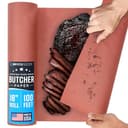
Bryco Goods Pink Butcher Paper 18" x 100 ft
A water pan does not put moisture into a brisket. The wrap does — it traps the meat's own steam against the meat. If you are reaching for a water pan to fix dryness, this is the tool you wanted.
See paper picksHow to know if it is working
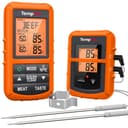
TempPro TempSync CORE TP20B Wireless Dual-Probe Thermometer (the ThermoPro TP20)
The pan's real job is stabilizing chamber temperature, and the only way to see that is a probe reading the grate rather than the dome. Watch the swing before and after you add one.
See thermometer picks
Frequently asked questions
Does a water pan keep brisket moist?
Not in the way people mean. A water pan cannot put moisture into meat — the brisket is not absorbing steam, and water does not travel inward against the flow of juices coming out. What humidity does is slow the drying of the surface, which keeps the bark setting more gently and helps smoke stick early on. The thing that actually keeps a brisket moist is rendering its fat and connective tissue properly, resting it, and slicing it correctly. Dryness is a doneness, rest or slicing problem far more often than a humidity one.
Do I need a water pan in a pellet grill?
Usually no, and the reason is that a pellet grill already solves the problem a water pan solves. Its whole selling point is a PID controller and a fan holding your set temperature, so you do not need a thermal buffer to stop the chamber swinging. Many pellet grills also funnel grease down a slide tray where a pan would sit, so adding one can interfere with the design. If your pellet grill produces a brisket that tastes baked rather than smoked, the fix is more smoke rather than more water — a smoke tube, a lower early temperature, or a later wrap.
Why does a Weber Smokey Mountain come with a water pan?
Because on a bullet smoker the pan is doing two structural jobs at once, and this is the cooker type where it earns its reputation. It is a heat shield between the charcoal ring directly below and the meat directly above — without it the fire radiates straight onto the underside of the brisket. And it is a large thermal mass that absorbs swings, which is most of why a bullet holds 225-250°F overnight so easily with nothing but vent adjustments. Running one dry turns it into a drip pan and a radiant shield, which also works, but you lose the buffering.
Can I use sand or a foil-covered pan instead of water?
Yes, and plenty of people do. Sand or a foil-wrapped empty pan gives you the thermal mass and the radiant shield without the humidity and without refilling anything — the pan simply gets hot and stays hot. What you give up is the temperature ceiling that water provides: water cannot exceed its boiling point while it is evaporating, so a water-filled pan actively resists the chamber running away from you. Sand has no such limit. Use water if your cooker tends to spike, sand if it is already steady and you are tired of topping it up.
Where should the water pan go?
Between the fire and the meat, as directly as the cooker allows. On a bullet it sits in its designed position above the charcoal ring. On an offset it goes in the chamber on the firebox side, where it does the most to even out the heat coming through — which is also the hot-spot problem budget offsets are known for. In a vertical cabinet it goes on the lowest rack. What it should not be is directly under the brisket and nowhere near the fire, which gets you a drip tray rather than a water pan.
Should I use hot or cold water, and do I top it up?
Start with hot water from the kettle, every time. A gallon of cold water is a large amount of energy for the fire to deal with, and filling the pan cold means the cooker spends its first hour heating water instead of stabilizing. As for topping up: if you let it run dry you simply lose the buffering and the humidity, which is not a disaster. If you do top it up, use hot water for the same reason, and bundle it with another job so you are not opening the cooker purely for the pan.
Does a water pan affect the bark or the smoke ring?
Both, slightly, and in opposite directions. Humidity keeps the surface damp for longer, which helps smoke compounds deposit early in the cook and can make a slightly more pronounced smoke ring — the ring is a reaction at a cool, moist surface. The cost is that a damp surface sets a bark more slowly, so if a thick, dry, crusty bark is your priority you may want less humidity rather than more, or to let the pan run dry for the last stretch before the wrap.
Do I need to buy a special water pan?
No, and we are not going to sell you one. If your cooker came with a pan, use that. Otherwise a disposable aluminum foil roasting tray from the supermarket is genuinely the right answer: cheap, the right shape, and you throw it away instead of scrubbing baked-on grease off something expensive. Lining a permanent pan with foil before each cook is the other good option. We carry no water pans in our registry because there is nothing here worth recommending over a two-dollar tray.
Sources
- USDA FSIS — Smoking Meat and Poultry — USDA on safe smoking practices, thermometer use and approved smoker materials (accessed July 22, 2026)
- Meathead's AmazingRibs.com — What Causes The BBQ Stall — Documentation (citing Greg Blonder's research) that the stall is evaporative cooling, not fat or collagen (accessed July 22, 2026)
- ThermoWorks — Smoked Brisket: A How-To Primer — ThermoWorks on brisket internal temperature, probe tenderness and the stall (accessed July 22, 2026)
Keep reading
Why Is My Brisket Dry?
The five real causes, ranked — and why a water pan is on none of the lists.
Read the diagnosisBest Charcoal Smoker for Brisket
The cooker type where the water pan is structural rather than optional.
See charcoal picksBrisket on a Pellet Grill
The cooker type where a water pan does least, and what actually helps instead.
Read the guideBuilding Bark
Humidity is one of the levers, and it pulls against the bark rather than for it.
Read the guideWrapping a Brisket
What people actually want when they reach for a water pan: the meat's own steam, trapped.
Read the guideHow to Get a Smoke Ring
The one thing a damp surface genuinely helps with, and why we de-emphasize it anyway.
Read the guide