The method
How to Smoke a Brisket
A whole packer is the most rewarding thing you can put in a smoker and the easiest to overthink. Here is the entire cook, one honest step at a time — and the exact gear each step needs.
How this is funded: we earn a commission if you buy through our links, at no extra cost to you. It never changes which product we recommend, and we’ll tell you plainly when we’d skip one. Full disclosure.
Brisket has a reputation for being hard. It isn’t, exactly — it’s just long, and it punishes guessing. The cut is a big, tough slab of the steer’s chest that only becomes tender when its connective tissue slowly melts into gelatin, which happens over many hours at a low temperature. Get the fire steady, cook to the right internal temperature and feel rather than the clock, and rest it properly, and a first-timer can turn out brisket that quiets a table. This page is the map; each step below links to a full guide when you want the detail.
1. Choose and trim the packer
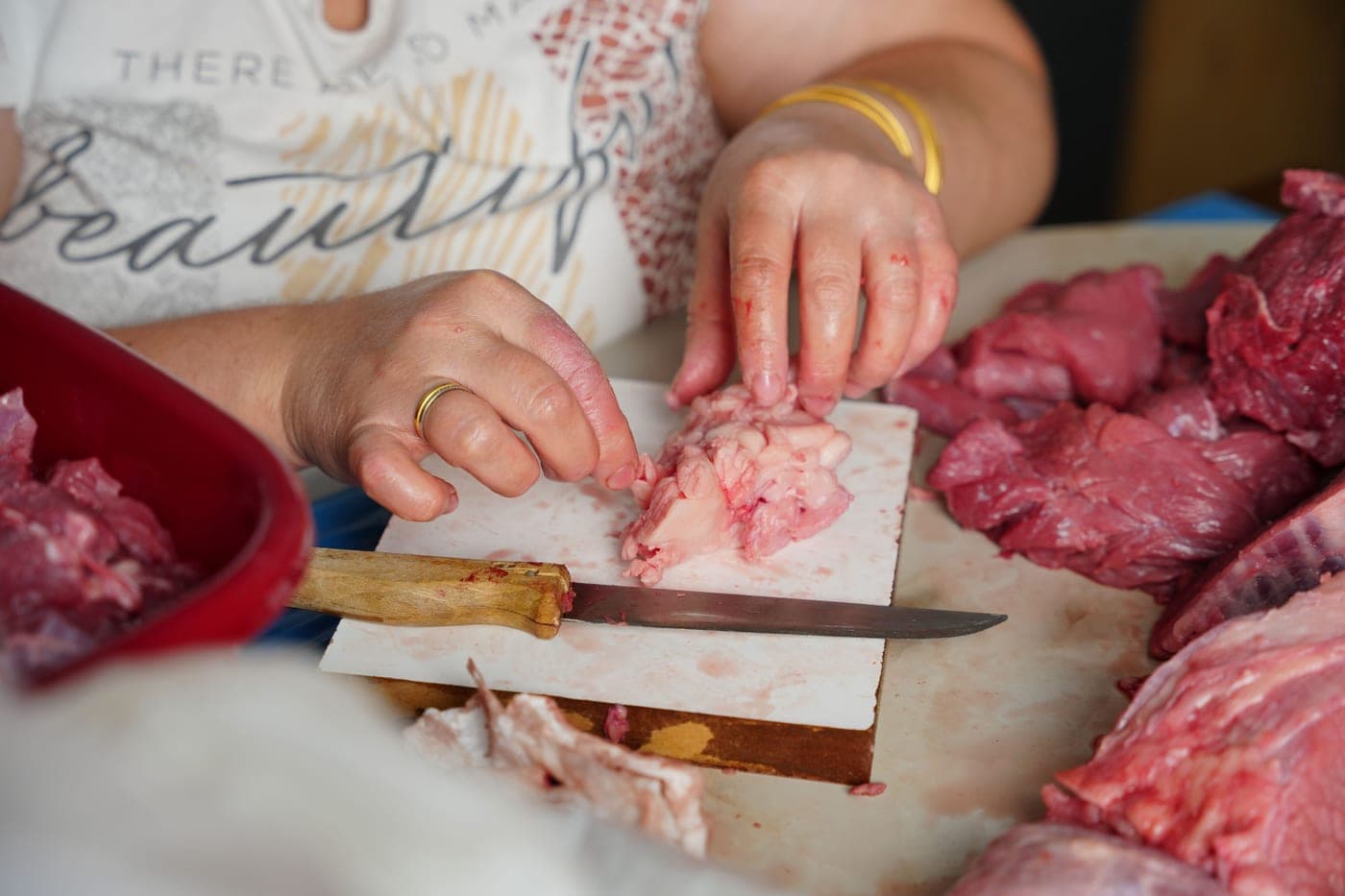
Start with a whole packer— the point and the flat together — because the two muscles baste and protect each other through a long cook. Prime and Choice grades carry more marbling than Select, which buys you forgiveness. Then trim: take the fat cap down to about a quarter inch so smoke and rub reach the meat, and remove the hard fat between the muscles so the flat and point finish closer together. The full detail is in choosing a brisket and trimming a brisket.
2. Season simply, then build a steady fire
Central Texas brisket is famously just salt and coarse pepper — a heavy, even coat over the whole surface, with a light binder like mustard or water if you want the rub to stick. While it sets, bring your smoker to a steady 225–250°F. The single most important skill in brisket is holding that temperature, whether you do it by hand on an offset or let a pellet grilldo it for you. Add a clean smoke — post oak is the forgiving classic.
3. Smoke, and watch the temperature — not the clock
Put the brisket on and leave it alone. A rough guide is an hour to an hour and a half per pound, but that number lies often enough that you should ignore it in favor of a thermometer. Somewhere around 150–170°Fthe internal temperature will seem to stop climbing for hours. That’s the stall— evaporating moisture cooling the surface as fast as the fire heats it, not the meat doing anything wrong. See time and temperature for how long to really expect.
4. Wrap to push through the stall
Most cooks beat the stall by wrapping once the bark is set, around 165–170°F. Unwaxed butcher paperkeeps the bark firm while still speeding the cook; foil is faster but steams the bark soft. Your call — the trade-offs are laid out in butcher paper vs foil and the how-to in wrapping a brisket.
5. Cook to feel, then rest
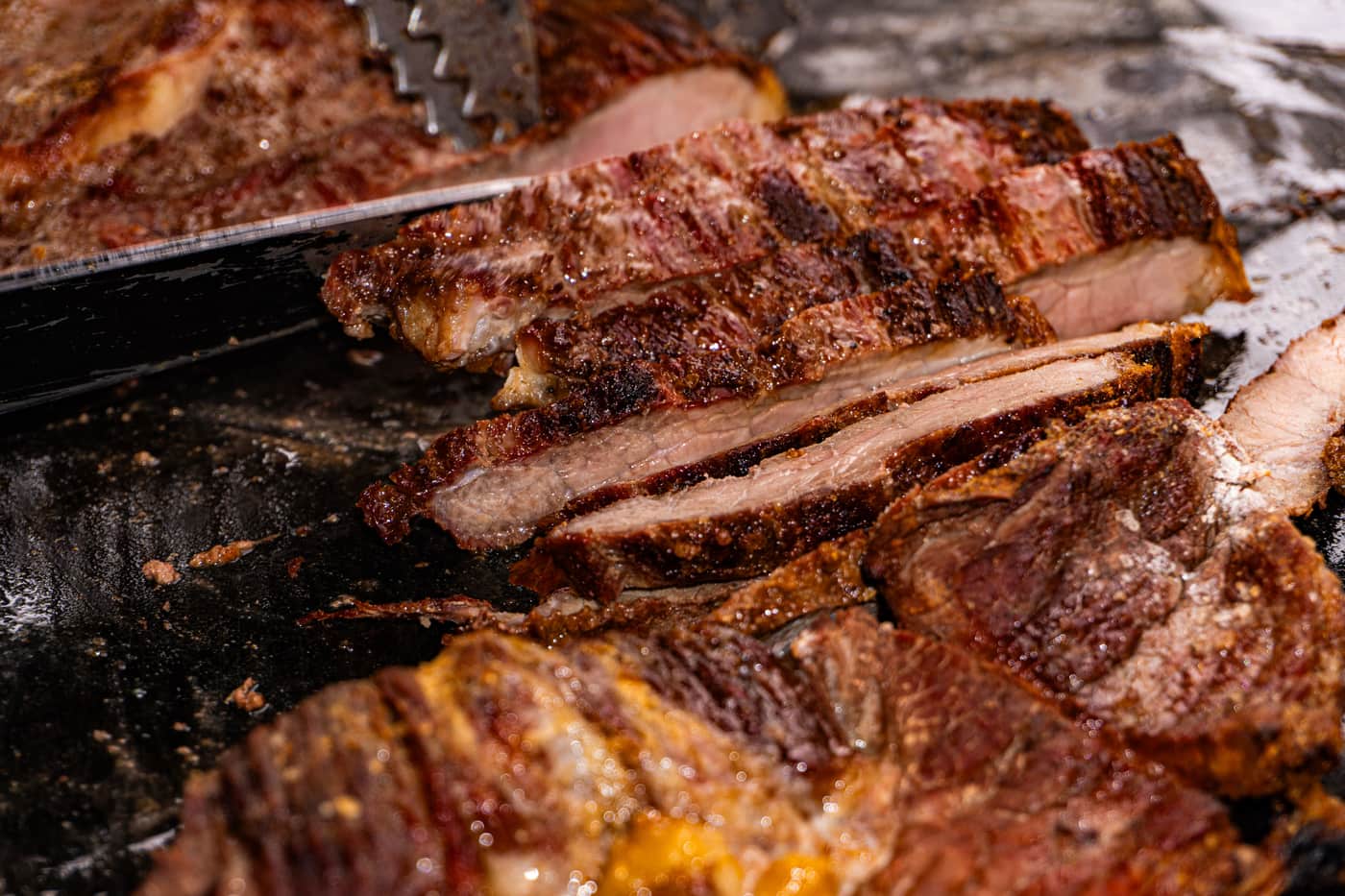
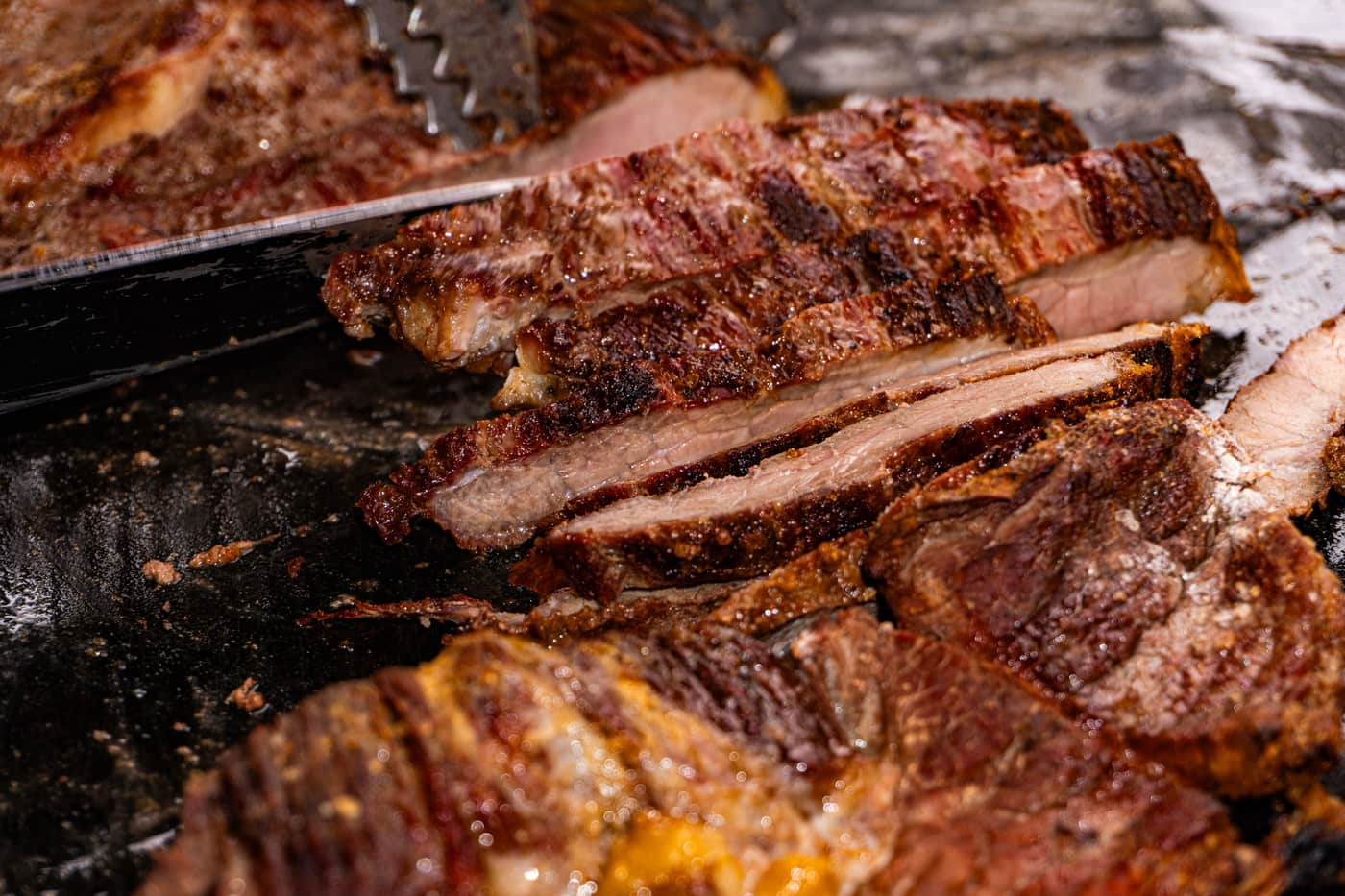
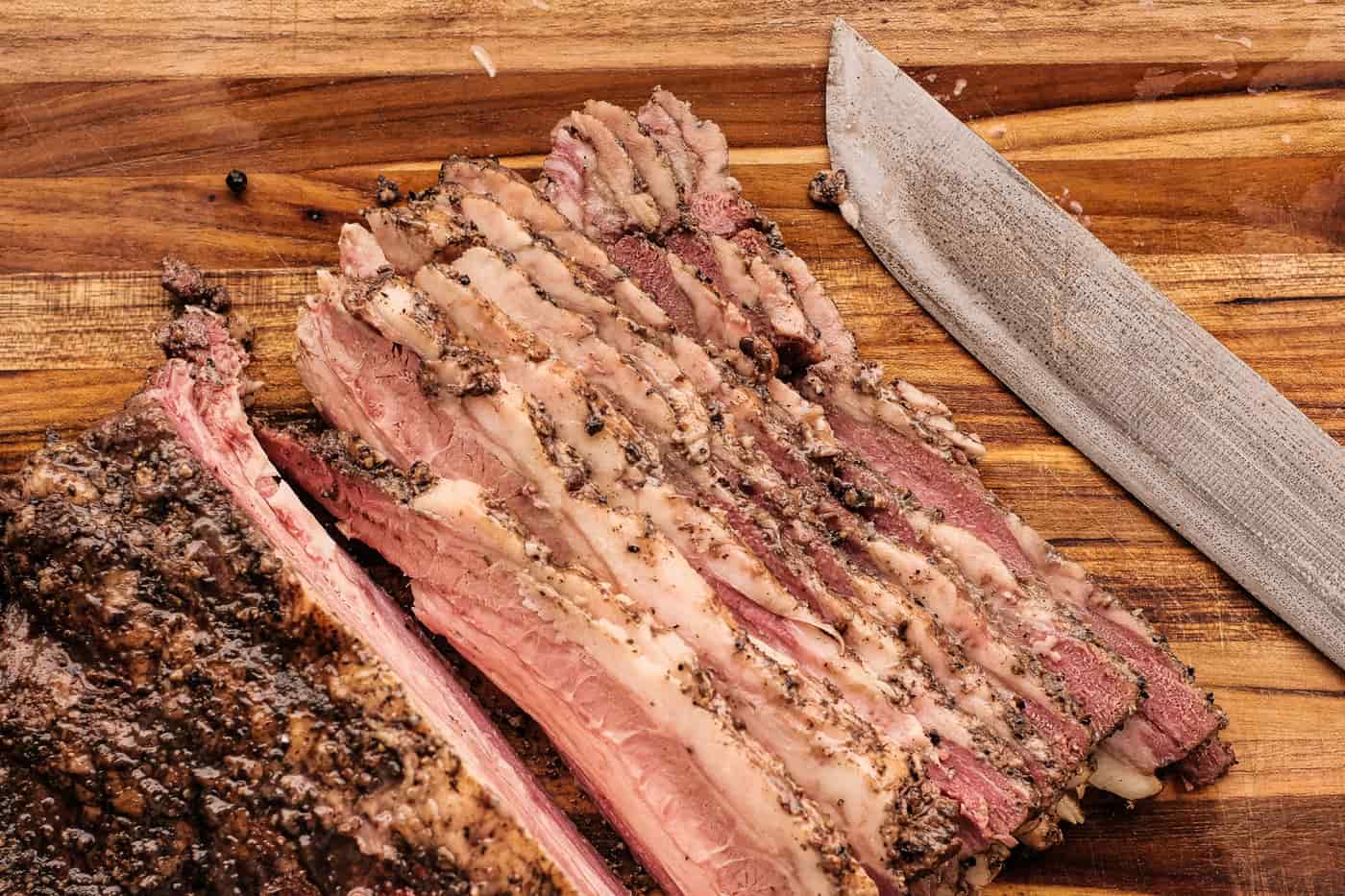
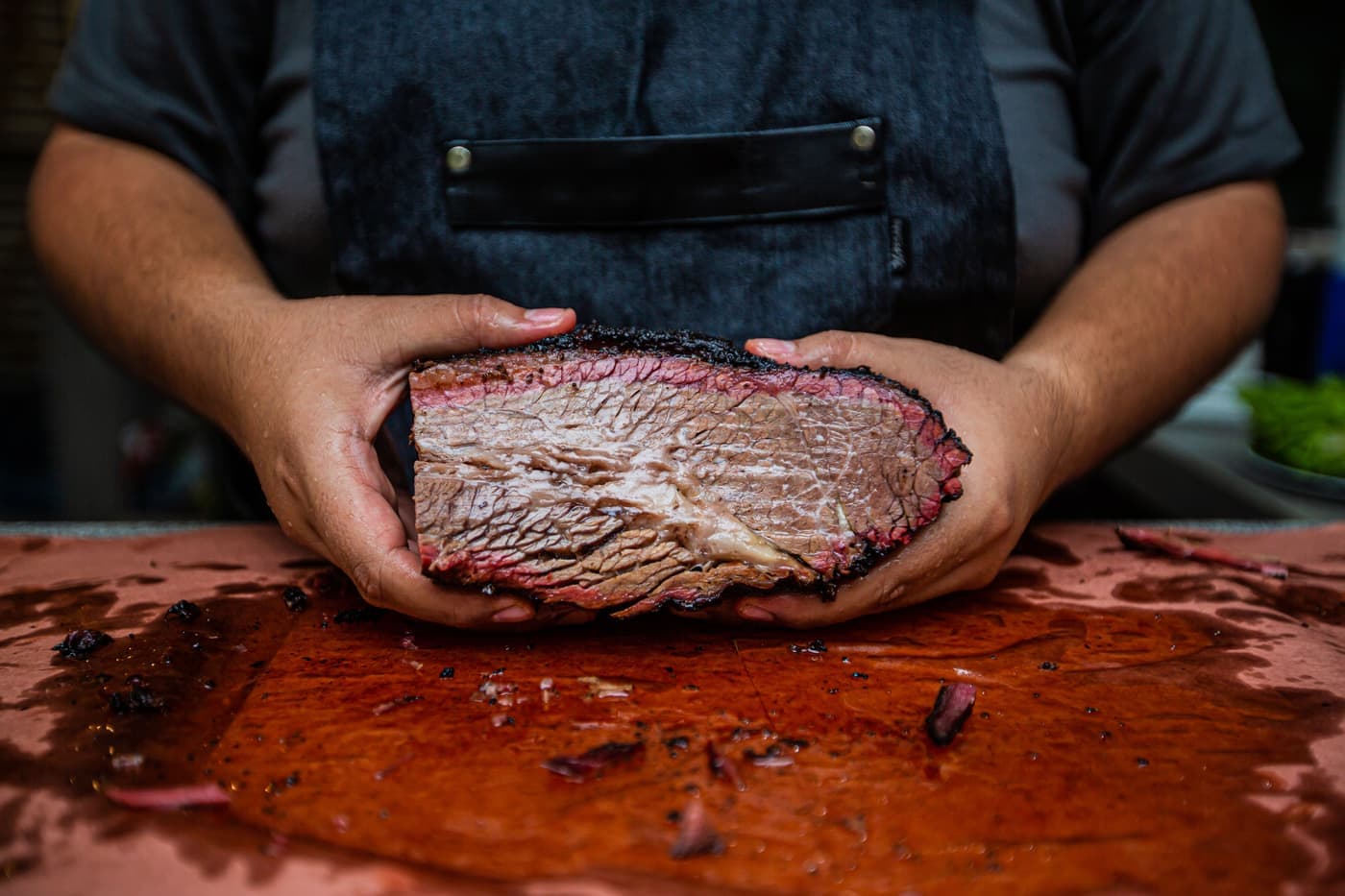
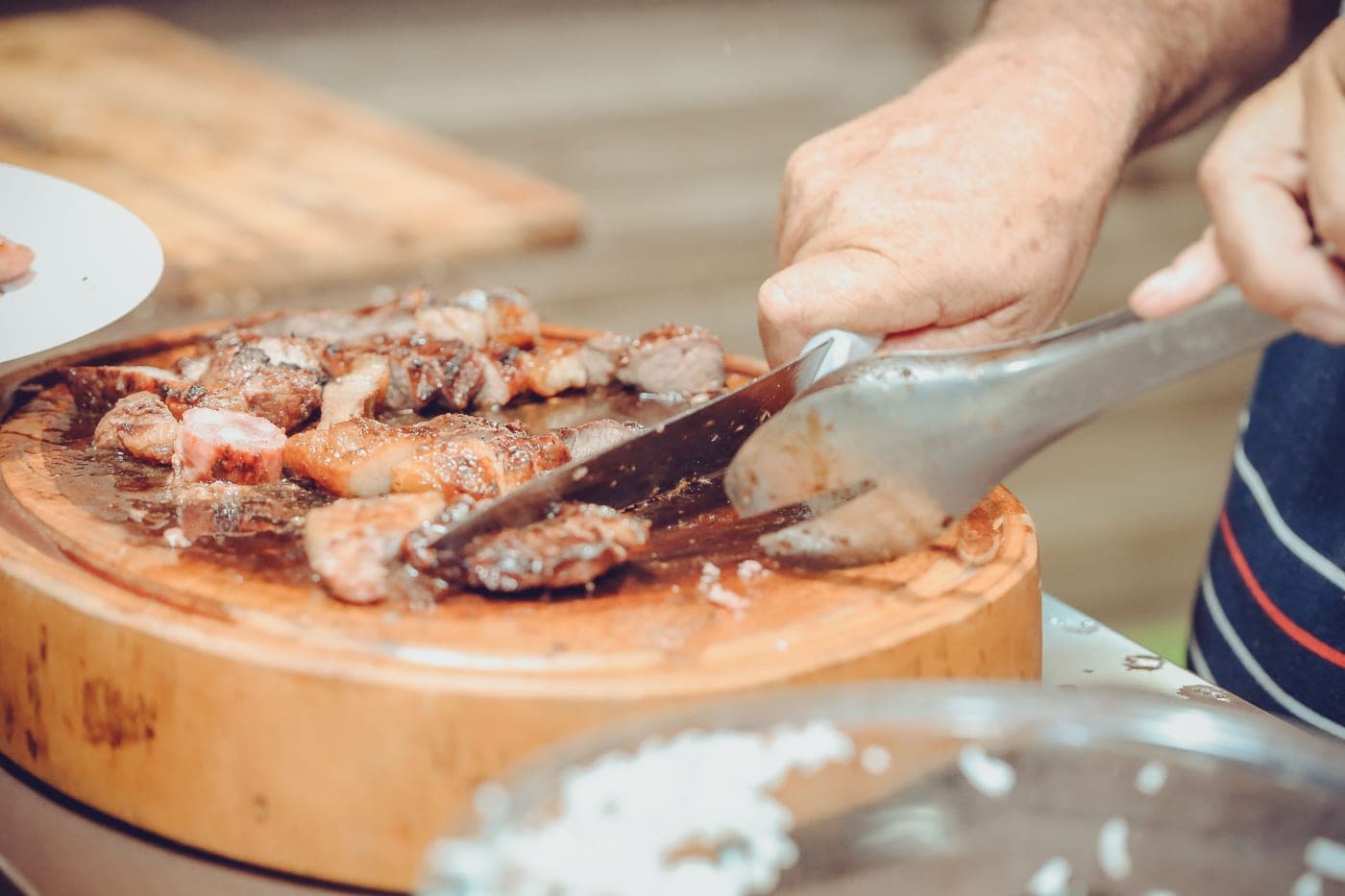
Take the brisket to about 203°F in the thickest part of the flat, but trust the probe over the number: it should slide in like the meat is warm butter. Then rest it— at least an hour, ideally longer — so the juices settle instead of running out the moment you cut. Finally, slice it against the grain, separating the point from the flat first. That’s the whole brisket.
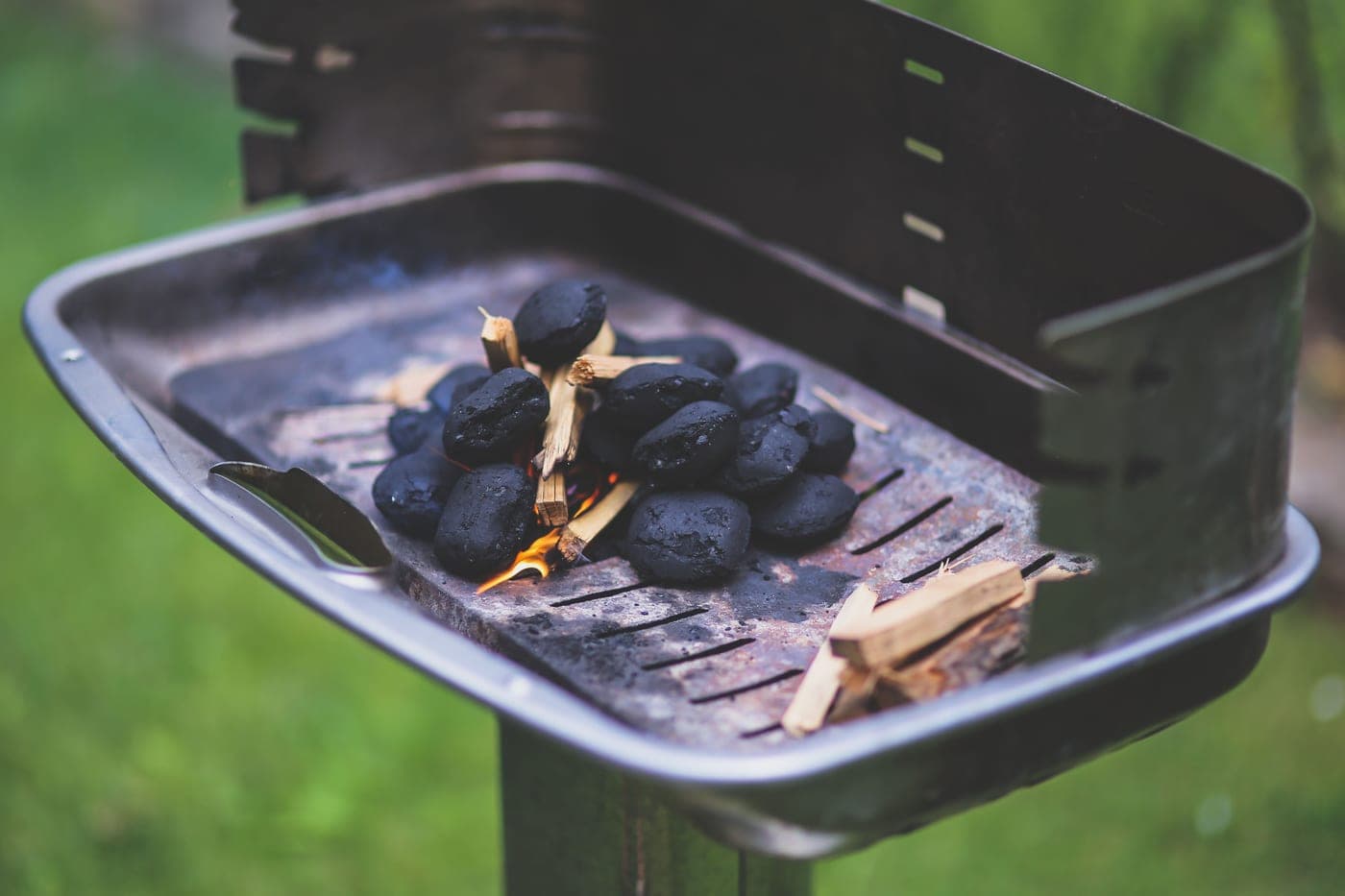
One fire-building technique is worth naming here because it makes step 2 possible on a cooker with no thermostat at all: the snake method— briquettes laid two wide and two high around the edge of a charcoal grate and lit at one end, so the fire burns along the line like a fuse. It is the standard answer on a kettle grill, and the fuel is not optional.
The cook, step by step
Every stage, in order
Your First Brisket
The short version of the whole method, with the four decisions that actually decide whether a first brisket works — and the ones you can safely ignore.
Choosing a Brisket
Packer vs flat vs point, Prime vs Choice, and how to pick a brisket that will cook evenly — before you ever light the fire.
Trimming a Brisket
How much fat to take off, where to leave it, and how to shape the packer so the flat and point finish together.
Seasoning a Brisket
Why coarse salt and pepper still beats most commercial rubs, how much to use, and when to season for the best bark.
Injecting a Brisket
Whether a brisket needs injecting at all, what goes in the syringe, and the grid pattern that spreads it evenly instead of pooling.
Brisket Time & Temperature
How long per pound at 225 vs 250°F, the internal temps that actually matter, and why the clock is only a guide.
The Brisket Stall
Why a brisket parks at 150-170°F for hours, what's actually happening, and the three ways through it.
Spritzing a Brisket
What a spray bottle actually does to bark, smoke and cook time — which liquid to use, when to start, how often, and the cookers that don't need it at all.
Wrapping a Brisket
When to wrap (and whether to at all), butcher paper vs foil vs naked, and how the wrap gets you through the stall.
Building Bark on a Brisket
What bark actually is, the four things that build it, and the two habits that quietly destroy it before the brisket is even wrapped.
Resting & Holding a Brisket
Why the rest matters as much as the cook, how long to rest, and how to hold a finished brisket for hours in a cooler.
Slicing a Brisket
How to find the grain on both muscles, separate the point from the flat, and slice so every piece is tender.
Smoking a Brisket Overnight
How to run a brisket while you sleep — which smokers can be left, the setup that makes it safe, and the alarms worth waking up for.
Hot and Fast Brisket
A brisket at 275-300°F finishes in six to eight hours. What you gain, what you give up, and how to keep the flat from drying out.
Brisket on a Pellet Grill
The whole packer cook adapted to the cooker most people now own — hopper prep, the temperature schedule, hot spots, and when to wrap on dry convection.
Brisket on an Offset Smoker
The stick-burner cook — building a clean fire, the 45-60 minute split cycle, managing the hot end of the chamber, and why an offset cannot be left alone.
Brisket on a Charcoal Grill
A packer on a kettle or a bullet: the Minion and snake methods, vent control as your only throttle, the water pan, and the size limit you have to plan around.
Brisket in an Electric Smoker
The easiest cooker to hold 250°F in and the hardest to get bark and smoke from. What the chip tray really does, and the three fixes that matter.
Brisket on a Gravity Smoker
Charcoal smoke with a thermostat. Loading the hopper for a twelve-hour cook, where the wood chunks go, ash management, and the one failure that ends a cook.
Separating the Point and the Flat
Where the fat seam runs, how to open it with your hands and a knife, and when to separate — raw, mid-cook for burnt ends, or after the rest.
How to Smoke a Brisket on a Kamado
A ceramic cooker holds a temperature better than almost anything and fits a packer worse than almost anything. The problem that solves, and the one it creates.
Finishing a Brisket in the Oven
Moving a wrapped brisket indoors once the bark has set costs you almost nothing, and it is the most useful thing a home cook can do with a kitchen oven.
Smoking Brisket in Cold Weather
Cold does not change what a brisket needs, only what it costs to provide it. Why wind beats temperature as the enemy, how much extra fuel and time to plan, and where the probes go.
Smoking Brisket on a Gas Grill
One burner on low at one end, the brisket at the other, and smoke from a tube or a foil packet — because propane makes none. The setup, the two hard limits, and the oven handover.
Gear for every step of the brisket
The exact gear each step needs
You don’t need much, but the few things you do need matter. Here is the top pick for each stage of the cook, with a live price — and a link to the full comparison if you want to weigh the options.
The cook
A smoker that holds 225-250°F and fits a full packer.
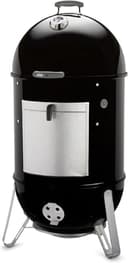
Weber Smokey Mountain Cooker 22"
$549.00 · View on AmazonSee the best smokersPrice as of October 22, 2026. #ad How we’re funded
The smoke
Post oak is the Central Texas classic; match the form to your smoker.
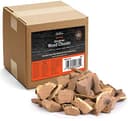
Camerons Products Oak Smoking Wood Chunks
$34.95 · View on AmazonSee the best woodPrice as of October 22, 2026. #ad How we’re funded
The temperature
Brisket is done by temp and feel — a probe is the key tool.
See the best thermometers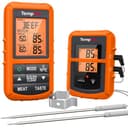
TempPro TempSync CORE TP20B Wireless Dual-Probe Thermometer (the ThermoPro TP20)
The wrap
Unwaxed 18-inch paper to push through the stall and keep the bark firm.
See the best butcher paper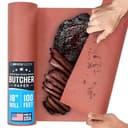
Bryco Goods Pink Butcher Paper 18" x 100 ft
The hold
An insulated box that fits a packer, so a finished brisket waits for dinner.
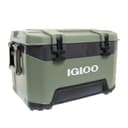
Igloo BMX 52 QT Cooler
$149.99 · View on AmazonSee the best holding coolersPrice as of October 22, 2026. #ad How we’re funded
The slice
A long Granton blade to slice the flat in one clean pull.
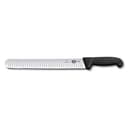
Victorinox Fibrox Pro 12" Granton Slicing Knife
$86.99 · View on AmazonSee the best slicing knivesPrice as of October 22, 2026. #ad How we’re funded
Buying this gear for someone else?
The same picks, explained for a gifter who has never lit a smoker: stocking stuffers, gifts under $50, gifts under $150, the smoker itself and a guide for the pellet grill owner. Shopping in November? Our Black Friday & Cyber Monday deals hub explains what historically discounts in this category and what does not.
Frequently asked questions
How long does it take to smoke a brisket?
Plan on roughly 1 to 1.5 hours per pound at 225°F, so a 13-pound packer is often 12-16 hours including the stall and the rest — but time is only a guide. A brisket is done when it reaches about 203°F internal and probes tender, whenever that happens.
What temperature do you smoke a brisket at?
Most people smoke brisket at 225-250°F. Lower (225°F) renders fat and builds bark more gently over a longer cook; 250°F finishes faster with excellent results. Either works — pick one and hold it steady.
What temp is a brisket done?
Around 200-205°F internal, commonly cited as ~203°F, but probe tenderness matters more than the number. When a thermometer or skewer slides into the thickest part of the flat with almost no resistance, it's done. See our full guide on what temp brisket is done.
Do I have to wrap a brisket?
No, but most people do. Wrapping around 165-170°F (the 'Texas crutch') pushes through the stall, speeds the cook and protects the meat. Butcher paper keeps the bark firmer; foil is faster and softer. Naked gives the best bark but the longest, driest cook.
Why does my brisket stop climbing in temperature?
That's the stall: the internal temperature plateaus around 150-170°F because moisture evaporating off the surface cools the meat as fast as the smoker heats it. It's evaporative cooling, not fat or collagen. Wrapping is how most people push through it.
How long should a brisket rest?
At least an hour, ideally two or more. Resting lets the juices redistribute and the temperature even out. For a long hold, wrap it and set it in a pre-warmed cooler — a 'faux Cambro' — which keeps it safely hot for hours.
Sources
- USDA FSIS — Smoking Meat and Poultry — USDA on safe smoking practices, thermometer use and approved smoker materials (accessed July 22, 2026)
- USDA FSIS — Safe Minimum Internal Temperature Chart — USDA safe minimum internal temperatures, incl. 145°F for beef cuts plus a 3-minute rest (accessed July 22, 2026)
- USDA FSIS — Doneness Versus Safety — USDA on the difference between a safe temperature and the temperature that makes tough cuts tender (accessed July 22, 2026)
- Meathead's AmazingRibs.com — What Causes The BBQ Stall — Documentation (citing Greg Blonder's research) that the stall is evaporative cooling, not fat or collagen (accessed July 22, 2026)
- ThermoWorks — Smoked Brisket: A How-To Primer — ThermoWorks on brisket internal temperature, probe tenderness and the stall (accessed July 22, 2026)