What to Do With Leftover Brisket
Leftover brisket is a texture problem, not a flavor problem — which is why the answer starts the night you cook it, not three days later. Three rules, then the dishes that suit each part of the packer.
How this is funded: we earn a commission if you buy through our links, at no extra cost to you. It never changes which product we recommend, and we’ll tell you plainly when we’d skip one. Full disclosure.
The best thing to do with leftover brisket is a chopped-beef sandwich, and the second best is to have stored it properly so you have the option of anything else. Those two are connected, because nearly every complaint about leftover brisket — it was dry, it was tough, it tasted like nothing — traces back to a decision made the night you cooked it rather than to the reheating.
The thing to understand is that leftover brisket is a texture problem, not a flavor problem.The smoke is still there. The bark is still there. What has gone is moisture, and some of the gelatin that made the meat feel succulent has firmed up again in the cold. Every good leftover technique is either preventing that loss or compensating for it — and chopping, which destroys the texture deliberately and replaces it with sauce and fat, is the most honest compensation of the lot.
The three rules, all applied on day one
1. Store it in the largest pieces you can.Ideally unsliced. A slice has an enormous surface area for its volume, and surface area is where moisture leaves — sliced brisket goes dry in a day in the refrigerator, while a block of the same meat is still good on day three. Slice to order as you use it, which wants a long thin blade rather than a chef’s knife — our review of the Victorinox 12-inch slicer explains why the cheapest option wins that category outright. Our storage guide makes the same case at length, and it is the rule that changes the most.
2. Keep the juices and the tallow. Whatever is in the bottom of the wrap and on the board when you slice is the single most valuable leftover in the kitchen. Pour it into a jar and refrigerate it; the fat will set on top as a seal. That liquid is what you add back when you reheat, and it is the difference between brisket that reheats well and brisket that reheats dry. If you threw it out, that was the mistake rather than the method you used three days later.
3. Keep the point and the flat separate, and eat the flat first.The point is fattier and more collagen-rich, so it survives a reheat far better than the lean flat does — and it is the only part worth turning into burnt ends or chopped beef. If you know you will have leftovers, serve the flat on the day. Our point-versus-flat guide explains why the two muscles behave so differently.
The timeline, plainly
Three USDA figures govern this and they are worth knowing rather than guessing at. Leftovers should be in the refrigerator within 2 hoursof coming off the heat or out of warm holding — 1 hour if the room is above 90°F. Refrigerated, they keep 3 to 4 days. Frozen, 3 to 4 months. And reheated leftovers should reach 165°F, measured with a thermometer.
The one that catches brisket cooks specifically is the first. A brisket finishes late, it gets eaten late, and a hot slab left out while everyone goes to bed is a brisket you have lost. Our resting and holding guide covers the related trap, which is a long hold that drifts down through the danger zone without anyone watching.
Reheating: what works, in order
Wrapped, in a low oven.The reliable default. Large pieces, a few spoons of the reserved juice or a little beef stock, sealed in foil, in an oven around 250°F until the center reads 165°F. Slow enough that the gelatin has time to soften again rather than just getting hot.
Sous vide. The reheat that argues for owning a vacuum sealer, because the bag is the whole trick. The best result available if you own the equipment: sealed in a bag at around 150–165°F, the brisket comes back closer to its original texture than any other method, because nothing is evaporating.
A covered pan on the stovetop, with liquid. Fine for chopped or cubed brisket, which is what you are making anyway if you have reached day three. A splash of reserved juice, a lid, low heat.
Back on the smoker. Works, and gives you a little more bark, but understand what you are doing: a reheat is not a second cook, and leaving leftover brisket in a hot smoker uncovered is how it goes from dry to inedible. Wrap it.
The microwave, on slices. The method that gives the whole category its bad reputation. It drives moisture out of exactly the surfaces you were protecting, and it heats unevenly enough that parts are scalding while parts are cold. If a microwave is all you have, chop the meat first, add liquid, cover it, and use short bursts at low power. Our holding and reheating page goes into the whole question in more depth.
What to make, by what you have left
| What is left | Make this | Why it suits |
|---|---|---|
| A block of point | Chopped-beef sandwiches | Fat and gelatin survive a reheat; chopping removes the texture problem entirely |
| A block of point, and time | Burnt ends | Cubed, sauced and returned to heat — the one dish that is arguably better on day two |
| Good flat, still moist | Reheat gently and serve as slices | If it is still good, do not get creative with it |
| Flat that has gone dry | Tacos, hash, or a grilled cheese | Chop it and let fat, acid or melted cheese do the work the meat no longer can |
| Odds, ends and crumbs | A pot of beans, or chili | The Central Texas answer: smoke and fat flavor a whole pot from very little meat |
| Burnt bark and edge pieces | Stock, or the beans again | Too firm to eat as meat, excellent as seasoning |
| Lean slices, and no appetite for reheating | Cold sandwiches with mustard and pickle | Sidesteps the problem — but trim the fat, which is waxy cold |
This table is our own editorial guide to matching a dish to what is actually left in the refrigerator. It is not a recipe collection and there are no quantities in it on purpose — the point is which direction to go, not a gram weight.
The chopped-beef sandwich, properly
Worth setting out, because it is the answer and because it is usually described as a way to hide bad brisket rather than as a dish in its own right. In Texas it is a menu item, not a salvage operation.
Chop the meat coarsely — coarsely matters, you want pieces not mince — on a board with a heavy blade, including some bark and some fat. Warm it in a covered pan with two or three spoons of the reserved juice and a knob of the set tallow off the top of the jar. Then dress it, lightly, with a thin vinegar-forward sauce: enough to gloss the meat, not enough to pool. Soft white bun, dill pickle slices, raw white onion. That is it.
This is the one place on this site where we actively recommend sauce on brisket, and our sauce roundup makes the argument: a sandwich is a construction that needs acid to cut the fat and a little liquid to bind, and a thin Texas-style sauce supplies both. A perfect slice of fresh brisket needs neither, which is why the sauce bottle stays shut on day one.
A note on brisket you are not sure about
If brisket has been in the refrigerator longer than the USDA’s 3-to-4-day window, or if it was left out overnight, or if you genuinely cannot remember which day it came off the smoker, the answer is not a technique from this page. Our spoilage page covers what to look for and, more usefully, why the look-and-smell test is not as reliable as people believe. Brisket is expensive and throwing some away is painful. It is less painful than the alternative.
The three things that make leftovers good
Nothing here is specialist equipment — leftover brisket mostly needs a plan rather than gear. But these three map directly onto the three rules above: acid for the chopped sandwich, a blade for slicing to order, and a thermometer for the one safety number in the whole exercise. Prices are live and refresh daily.
What a chopped sandwich needs
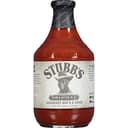
Stubb's Original Bar-B-Q Sauce
Day-three brisket is drier than day-one brisket, and the fix is acid and moisture rather than more smoke. A thin vinegar-forward sauce is the one place we actively recommend sauce on brisket, and this is the bottle we would start with.
$5.32 · View on AmazonSee sauce picksPrice as of October 20, 2026. #ad How we’re funded
Because you slice to order, not in advance
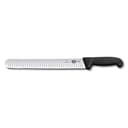
Victorinox Fibrox Pro 12" Granton Slicing Knife
Sliced brisket dries out in the refrigerator far faster than a block does, which is why the whole strategy here is to store big and cut small. That means you are slicing cold brisket all week, and a long thin blade is what does it without tearing.
See knife picksThe only reheat number that matters
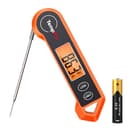
TempPro TempSwift PLUS TP19H Instant-Read Thermometer (the ThermoPro TP19H)
The USDA line for leftovers is 165°F, measured rather than assumed, and gentle reheating makes it easy to undershoot. An instant-read settles it in a second and is the same tool you used to call doneness in the first place.
See thermometer picks
Frequently asked questions
What is the best thing to do with leftover brisket?
A chopped-beef sandwich, and it is not a consolation prize — it is arguably the best use of day-two brisket there is. Chop the meat coarsely with a little of its own reserved juice and tallow, warm it gently, dress it with a thin vinegar-forward sauce, and put it on a soft bun with pickles and raw onion. The chopping solves the texture problem that reheating creates, and the acid in the sauce does the work that a perfect slice of fresh brisket does not need.
How long does leftover brisket last in the fridge?
The USDA puts cooked leftovers at 3 to 4 days refrigerated, and 3 to 4 months frozen. Those are the figures to plan on rather than a smell test. Getting there safely matters too: leftovers should be in the refrigerator within 2 hours of coming off the heat or out of warm holding, and within 1 hour if the room is above 90°F. A whole hot brisket left on the counter overnight is not a leftover, it is a loss.
Should you slice brisket before storing it?
No, and this is the single biggest thing people get wrong. A slice has an enormous amount of surface area relative to its volume, and surface area is where moisture leaves — sliced brisket in the refrigerator goes dry in a day, while a block of the same meat stays good for three. Store it in the largest pieces you can, ideally unsliced, and slice to order with a long thin blade as you use it.
What temperature do you reheat brisket to?
165°F, measured with a thermometer rather than estimated. That is the USDA figure for reheating leftovers and it applies regardless of how gently you are warming the meat — in fact, gentle reheating is exactly where people undershoot, because the brisket feels hot long before the center gets there. Our holding and reheating guide covers the methods; the number is the same for all of them.
How do you reheat brisket without drying it out?
Low, wrapped, and with liquid. The reliable method is to wrap the brisket — ideally in large pieces rather than slices — with a few spoons of the reserved juices or a little beef stock, seal it in foil, and put it in a low oven, around 250°F, until the center reads 165°F. Sous vide works beautifully if you own the equipment. What does not work is a microwave on slices, which drives moisture out of exactly the surfaces you were trying to protect.
Can you freeze leftover brisket?
Yes, and brisket freezes better than most cooked meat because of its fat content. Freeze it in large pieces, with some of the reserved juices, wrapped tightly and then bagged to keep air off it — freezer burn is dehydration, and brisket that has already been reheated once has less margin. The USDA figure is 3 to 4 months. Label the date, because the one thing worse than dry brisket is mystery brisket.
Is the point or the flat better for leftovers?
The point, comfortably, and it is worth planning around. The point is fattier and more collagen-rich, so it holds moisture through a reheat in a way the lean flat does not — it is also the part that makes the best chopped beef and the only part worth turning into burnt ends. If you know in advance that you will have leftovers, eat the flat on the day and save the point. Our point-versus-flat guide explains the difference properly.
Can you use leftover brisket cold?
Yes, and some of it is better cold than badly reheated. Cold brisket sliced thin on a sandwich with mustard and pickles is a genuinely good lunch, and it sidesteps the whole reheating problem. The one caveat is fat: cold beef fat is waxy on the palate in a way warm beef fat is not, so cold works much better with lean flat slices than with the fatty point. Trim the visible fat off anything you are eating cold.
Sources
- USDA FSIS — Leftovers and Food Safety — USDA: refrigerate leftovers within 2 hours of cooking or of removal from a warm-holding appliance (1 hour above 90°F); keep 3 to 4 days refrigerated or 3 to 4 months frozen; reheat to 165°F measured with a food thermometer (accessed October 5, 2026)
- USDA FSIS — "Danger Zone" (40°F - 140°F) — USDA: bacteria multiply fastest between 40°F and 140°F — the food-safety basis for the 4-hour rule (accessed July 22, 2026)
- USDA FSIS — Beef From Farm to Table — USDA on safe handling, cooking and resting of beef, including brisket (accessed July 22, 2026)
Keep reading
How to Store and Freeze Brisket
The three USDA numbers and the craft layer: cool fast, store large, keep the juices.
Read the guideHow to Hold and Reheat Brisket
Two different problems that get confused, and the method for each.
Read the guideBest Vacuum Sealer for Brisket
What you seal day-three brisket in, ranked on the bag width almost no maker publishes.
See sealer picksBrisket Burnt Ends
The best thing to do with a leftover point, and the one dish that improves on day two.
Read the guideBest BBQ Sauce for Brisket
Where sauce earns its place: the acid in a chopped-brisket sandwich.
See sauce picksHow to Fix a Dry Brisket
Most of these techniques started as rescues. The full repair kit, in order.
Read the guideWhat to Do With Brisket Trimmings
The same thrift at the other end: the two to four pounds that comes off before the cook.
Read the guide