Beef Tallow for Brisket
Rendering your trimmings and laying tallow into the wrap is the most fashionable brisket technique of the last few years. It does something real — just considerably less than the enthusiasm suggests, and not the thing most people think.
How this is funded: we earn a commission if you buy through our links, at no extra cost to you. It never changes which product we recommend, and we’ll tell you plainly when we’d skip one. Full disclosure.
A few years ago almost nobody outside a professional pit was laying rendered beef fat into the butcher paper. Now it is close to standard practice in the enthusiast world, largely on the strength of a handful of very influential Texas pitmasters doing it.
It is a genuine technique with a genuine mechanism. It is also widely credited with an effect it does not have, and that misunderstanding leads people to reach for it when the actual problem is somewhere else entirely.
What tallow actually does
It improves heat transfer. A layer of fat between the paper and the meat conducts heat far better than the air gap it replaces. The practical effect is that the post-wrap stretch runs a little faster and a little more evenly. Modest, but real.
It stops the exterior drying out. This is the meaningful one. During the last hours of the cook and through the rest, the outside of a lean flat continues losing moisture. A fat coating slows that considerably, and the difference shows up in the outermost slices — the ones that are usually driest.
It adds beef flavor to the surface. Rendered brisket fat tastes like brisket. If you render it in the smoker it picks up a little smoke as well.
What it does not do
It does not make the inside of the brisket juicier. This is the claim to be skeptical of, and the physics is unambiguous: fat applied to the outside of a piece of meat does not migrate into the muscle fibers. Meat is not a sponge, and there is no mechanism by which liquid fat travels inward against a moisture gradient.
Perceived juiciness in brisket comes from two things happening inside: intramuscular fat rendering, and collagen converting to gelatin. Both are functions of time at temperature. Tallow on the outside has no bearing on either. This is exactly the same misconception behind the belief that spritzing adds moisture, and the reasoning is set out fully in why is my brisket dry.
It does not rescue an underdone brisket. If you pulled at a number instead of at probe tenderness, tallow will not help. Nothing will except more time.
Rendering your own
The reason to do this rather than buying a tub is simple economics: you already paid for the fat. A whole packer arrives with a cap that you are about to trim down to a quarter inch, which leaves you with a substantial pile of perfectly good fat.
Keep the soft, pliable fat from the cap. Discard the hard, waxy deckle fat — it renders poorly and is not worth the pan space. Cut what you keep into roughly half-inch pieces, because smaller pieces render faster and more completely.
Then heat it slowly. A heavy pan on a low burner works; so does a foil pan set in the smoker alongside the brisket, which costs you nothing in extra fuel and picks up a little smoke character. Either way, low and slow — the fat should melt out, not fry.
Stop when the solids have shrunk and gone golden. Push past that to brown and the tallow takes on a scorched, acrid edge that you will taste. Strain the liquid through fine mesh or cloth into a clean jar; any solids left behind are what will make it go off. It sets white and opaque. Refrigerated it keeps a few weeks, frozen a good deal longer — and if it ever smells sour rather than cleanly beefy, throw it out.
Using it at the wrap
Put it on the paper, not on the brisket. This one detail decides how much bark you sacrifice.
Lay out your unwaxed butcher paper, spread two or three tablespoons of soft or just-melted tallow across the area the brisket will sit on, then wrap as usual. The fat contacts the underside and edges, does its work on heat transfer and surface protection, and leaves the top bark comparatively alone.
Pouring melted tallow over the top of a brisket saturates the crust you spent six hours building. People do it, it looks dramatic, and it is the main reason tallow has a reputation for ruining bark. See why is my brisket bark soft.
The honest verdict
Tallow is a genuine refinement with a small, real benefit and a small, real cost. It protects the exterior of the flat; it softens bark. Whether that trade is worth it depends entirely on which of those two you care about more.
Worth it if you are cooking a lean flat on its own, if you are planning a long hold, or if your outer slices have consistently been dry. Skip it if bark is what you chase, if you are already wrapping in foil (which softens bark plenty on its own — see paper vs foil), or if you are troubleshooting a dry brisket, because it is almost certainly not the fix you need.
And it is worth remembering that the brisket everyone is imitating was made for decades with paper and nothing else.
What this technique actually involves
Tallow itself is free — it comes off the brisket you already bought. These are the three things around it. Prices are live and refresh daily.
The trim
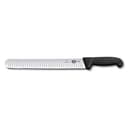
Victorinox Fibrox Pro 12" Granton Slicing Knife
Tallow starts as the fat you cut off. A sharp, flexible blade is what makes separating usable fat from hard deckle quick rather than miserable.
See knife picksThe wrap
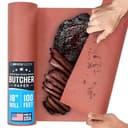
Bryco Goods Pink Butcher Paper 18" x 100 ft
Tallow goes onto the paper, not the meat. Unwaxed pink paper takes it without turning into a sealed foil-style packet.
See paper picksThe hold
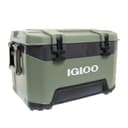
Igloo BMX 52 QT Cooler
Most of what tallow is credited with is really the rest doing its job. A cooler that seals properly matters more.
$149.99 · View on AmazonSee cooler picksPrice as of October 20, 2026. #ad How we’re funded
Frequently asked questions
What does beef tallow do for brisket?
Placed in the wrap, tallow does two things: it improves heat transfer between the paper and the meat, which slightly shortens the stretch after wrapping, and it coats the surface so the exterior of the flat does not dry out during the remainder of the cook and the rest. What it does not do is make the inside of the brisket juicier — fat applied to the outside does not travel into muscle fibers, and interior moisture comes from rendering and collagen conversion.
Do you need to use tallow when wrapping a brisket?
No. Central Texas brisket was made for a very long time with nothing but unwaxed butcher paper, and it is excellent. Tallow is a refinement that has become popular recently, not a requirement. If your brisket is coming out dry, the cause is far more likely to be pulling it early, not resting it, or slicing it wrong, and adding tallow will not address any of those.
How do you render beef tallow from brisket trimmings?
Cut the soft fat from the cap into roughly half-inch pieces, then heat it slowly — a heavy pan on a low stove burner, or a foil pan sitting in the smoker while the brisket cooks. The fat liquefies and the solids shrink and turn golden. Strain the liquid through fine mesh into a clean jar and let it set. Skip the hard, waxy deckle fat; it does not render well.
Does tallow ruin the bark?
It softens it, yes. Bark depends on a dry surface, and coating that surface in fat during the wrap works against it — this is a real cost, not a theoretical one. Applying the tallow to the paper rather than pouring it over the meat reduces the effect considerably. If bark is your priority above all else, skip tallow, and consider not wrapping at all.
How long does homemade beef tallow keep?
Properly strained and refrigerated, a few weeks; frozen, several months. The limiting factor is not the fat but what is left in it — residual meat solids and moisture are what spoil. Strain it thoroughly through fine mesh or cloth, store it in a clean sealed jar, and discard it if it smells sour or rancid rather than cleanly beefy.
Can you use store-bought tallow instead?
You can, and it works the same way. The argument for rendering your own is not performance — it is that you already paid for several pounds of fat when you bought the packer, and rendering it costs nothing but time you are spending at the smoker anyway. Store-bought is a reasonable shortcut if you did not save your trimmings.
Sources
- USDA FSIS — Beef From Farm to Table — USDA on safe handling, cooking and resting of beef, including brisket (accessed July 22, 2026)
- ThermoWorks — Smoked Brisket: A How-To Primer — ThermoWorks on brisket internal temperature, probe tenderness and the stall (accessed July 22, 2026)
- USDA FSIS — "Danger Zone" (40°F - 140°F) — USDA: bacteria multiply fastest between 40°F and 140°F — the food-safety basis for the 4-hour rule (accessed July 22, 2026)
Keep reading
Wrapping a Brisket
When to wrap, what in, and how the wrap gets you through the stall.
Read the guideTrimming a Brisket
Where the fat you are about to render comes from.
Read the guideWhy Is My Brisket Dry?
The problem tallow is usually reached for — and its actual causes.
Read the diagnosisWhy Is My Brisket Bark Soft?
The cost side of the tallow trade, in detail.
Read the diagnosisWhat to Do With Brisket Trimmings
Everything else in the pile: three materials, three uses, and the parts to bin.
Read the guide