How to Light Charcoal Without a Chimney Starter
Five methods that work, ranked for a twelve-hour brisket rather than for a weeknight burger — and the one everyone reaches for that you should not, because you are about to cook something for twelve hours in that smoke.
How this is funded: we earn a commission if you buy through our links, at no extra cost to you. It never changes which product we recommend, and we’ll tell you plainly when we’d skip one. Full disclosure.
Use wax fire starter cubes. Build the charcoal into a loose cone, bury two or three starters in the base on different sides, light them, open every vent wide, and leave it alone for 15 to 20 minutes. Paraffin and wood-wool starters burn hot for several minutes rather than seconds, leave nothing behind in the smoke, and cost pennies each. That is the whole answer for most people, and it is what we would do with no chimney in the house.
The context that makes this page different from the hundred others answering the same question: you are about to cook something for twelve hours in whatever you light this fire with. A burger spends eight minutes near the coals. A brisket sits in that air all day and all night, with a cold damp surface that is extremely good at absorbing everything in it. Methods that are perfectly fine for a weeknight grill — lighter fluid above all — are a genuinely different proposition on a brisket, and that is the lens the five methods below are ranked through.
One structural point that makes all of this easier than it sounds. If you are running a minion or snake fire— and for a long brisket cook on charcoal you probably should be — you only need to light a handful of coals, not a basket. Ten or fifteen briquettes, got properly going, will consume the unlit fuel banked around them over the following hours. Lighting a handful without a chimney is barely a problem at all.
Method one: wax or wood-wool fire starters
The best no-equipment method, and good enough that plenty of experienced cooks never own anything else.
Build the pile loose. Heap the charcoal into a cone with gaps between the pieces. The failure mode here is packing it flat and tight, which starves the fire of the air it needs while it establishes. Air has to be able to move through the pile.
Use two or three starters, on different sides. One starter lights one spot and you end up waiting for the flame to crawl. Two or three, tucked into the base at different points where air can reach them, light the pile from several directions at once and halve the time. Two is enough for a small basket, three for a large firebox.
Open everything and walk away. Every intake, the exhaust, the firebox door if your cooker has one. Then do not touch it for 15 to 20 minutes. Stirring a fire that is establishing collapses the pile and smothers it, and it is the single most common way people turn a working light into a sulking one.
Then spread, bank and wait for clean smoke. Rake the lit core into whatever pattern you want, bank the unlit charcoal around or over it, close the cooker to your target temperature, and wait. The thing to wait for is not a clock reading but the look of the exhaust: thin and faintly blue, not white and billowing. Our fire management guide covers why that distinction matters so much on a twelve-hour cook, and the page on bitter brisket covers what happens when people skip it.
Method two: an electric starter
An electric charcoal starter is a wand that blows superheated air at the fuel. You hold it against the charcoal where it already sits, the coals light in place, and there is nothing to pour and no consumable to run out of.
For a brisket cook this has a specific advantage worth naming: because the fuel is lit in situ, you can light exactly the part of the basket you want lit and leave the rest cold, which is precisely what a minion fire wants. With a chimney you light a measured load and pour it; with an electric starter you can touch off one corner of a snake and walk away. It also means never carrying a steel tube of 1,000-degree coals across a patio, which is not nothing.
The requirements are an outdoor power outlet and somewhere safe to put a very hot wand down for a few minutes afterwards. Our starter roundup covers the one we carry alongside the chimneys, because it is a genuine alternative rather than a gadget.
Method three: the improvised can chimney
If you want to understand why a chimney works so well, build one badly. Take a large steel can — a catering-size tomato or coffee tin — remove both ends, and punch a ring of holes around the bottom inch. Stand it in the firebox over crumpled newspaper, fill it with charcoal, light the paper underneath.
What you have made is a confined vertical column, and that geometry is the entire trick: hot air rising through a narrow tube is forced up through every piece of fuel above it, so the fire climbs the stack instead of flickering across the surface of a pile. It is the reason a single sheet of newspaper lights a full chimney load and the same sheet loose in a firebox lights nothing.
Two honest caveats. There is no handle, so you cannot pour it — you have to let it burn down in place and then rake the coals out, which limits where it is useful. And a thin tin can will warp, discolor and eventually fail. Treat it as a one-cook fix on a Saturday when the shops are shut, not as a plan.
Method four: a propane torch
The fastest method in existence, and what a great many offset cooks genuinely use. A weed-burner-style propane torch will have a firebox load of lump going in a couple of minutes, and it doubles as the thing that gets a stubborn wood split going mid-cook.
We carry no torch in our product registry, so we are not going to name one. And the safety notes here are not boilerplate: a large propane torch is a serious tool, it wants to be used with nothing combustible nearby, you should never run it inside a closed cooker where unburned propane can accumulate, and the hose and regulator want checking before each season. If you already own one for the garden, you own the best charcoal starter on this page. If you do not, buy a chimney instead.
Method five: light almost nothing
The method that reframes the question. On a long brisket cook you are not trying to light a basket of charcoal — you are trying to create a small, hot, stable core that will eat its way through the rest of the fuel over the next eight hours. That is the whole premise of the minion method and the snake, and our charcoal-grill guide sets both out properly.
Lighting ten or fifteen briquettes is something you can do with two fire starters, a fist-sized pile and no equipment whatsoever. Lay the unlit charcoal in your snake or fill the basket, tuck the small lit pile at one end, and the problem this page is about has effectively disappeared. If you take only one thing from here, take this one: the no-chimney problem is mostly a problem for people lighting far more charcoal than a brisket needs.
The five methods, compared for a brisket
| Method | Time to a usable fire | Leaves anything in the smoke? | Good for a 12-hour cook? |
|---|---|---|---|
| Wax / wood-wool starters | 15–20 minutes | No | Yes — our pick |
| Electric starter | A few minutes per spot | No | Yes, if you have an outdoor outlet |
| Improvised can chimney | 15–20 minutes | No | Once. It will warp. |
| Propane torch | 2–5 minutes | No | Yes, with real care — none in our registry |
| Light a handful for a minion fire | 10–15 minutes | No | Yes — the structural answer |
| Newspaper alone, loose | Often never | Ash on the grates | No |
| Lighter fluid | 10–15 minutes | Yes — if used wrong, a lot | Not our choice |
Times are our own working figures for a small-to-medium charcoal load in still air, not manufacturer claims — no fire-starter maker publishes a time-to-coals for an unspecified pile of charcoal, and conditions move these numbers a long way. Treat them as orders of magnitude.
Why we keep coming back to lighter fluid
Because it is what most people have in the garage, and because the argument against it is usually made badly. The case is not that lighter fluid is poison. It is that dose is the whole question, and a brisket is the highest dose in barbecue.
Used correctly — applied to cold charcoal only, lit immediately, and allowed to burn until every coal shows gray ash before anything goes near the cooker — most of the petroleum distillate has burned off and a burger will taste fine. The problem is that a brisket does not get eight minutes of exposure; it gets twelve hours, on a cold wet surface that is chemically very good at holding onto whatever is in the air. Our page on bitter and acrid brisket exists because that absorption is real and because it is not recoverable once the cook is over.
And the way people actually use lighter fluid makes it worse: squirting more onto coals that are already lit and smoldering. That is both the most hazardous way to handle it and the one that leaves the most unburned residue in the chamber. None of the five methods above requires you to do anything of the kind, four of them are faster, and one of them costs nothing because you only ever needed to light fifteen briquettes.
What to buy so this is never a question again
The methods above all work, and the first one works well enough that plenty of good cooks never own anything else. But the honest summary of this page is that the problem it solves costs about twenty dollars to make permanent. Prices are live and refresh daily.
The twenty-dollar end of the problem
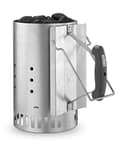
Weber Rapidfire Chimney Starter
Everything on this page is a workaround for not owning this. A chimney lights a full load in 15 to 20 minutes with one piece of newspaper, no consumables and no residue, and it is the cheapest piece of gear in a charcoal cook.
$24.99 · View on AmazonSee chimney picksPrice as of October 22, 2026. #ad How we’re funded
If you never want to pour hot coals
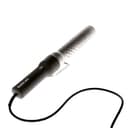
Looftlighter Classic Electric Charcoal Starter
An electric starter blows superheated air at the charcoal where it already sits, so the fuel is lit in place and there is no chimney to tip. It needs an outdoor outlet and it is the one method here with no consumable at all.
See starter picksWhen you need a lot of lit charcoal
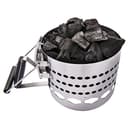
Oklahoma Joe's Halftime XL Charcoal Starter
A brisket on a big cooker wants more lit fuel than a standard chimney holds, and pouring two loads in sequence costs you time at the front of the cook. A large-capacity starter does it in one.
$47.25 · View on AmazonSee starter picksPrice as of October 22, 2026. #ad How we’re funded
Frequently asked questions
How do you light charcoal without a chimney starter?
Wax fire starter cubes are the best answer. Build the charcoal into a loose cone, bury two or three starters in the base on different sides, light them, open every vent wide, and leave it alone for 15 to 20 minutes. Paraffin and wood-wool starters burn hot for several minutes, leave no flavor and cost pennies. The alternatives are an electric starter that blows hot air at the fuel, an improvised chimney made from a large can, a propane torch, or lighting only a handful of coals for a minion fire.
How do you light charcoal without lighter fluid?
Wax or wood-wool fire starters, an electric starter, or a chimney with a sheet of newspaper under it. All three light charcoal faster than lighter fluid does and none of them puts petroleum distillate into the smoke your brisket is about to sit in for twelve hours. Lighter fluid is the one method we would actively steer you away from for a long cook — not because of what it does to a burger, but because of how long a brisket spends in that air.
Can you use newspaper alone to light charcoal?
Not reliably, which is why it is the one thing a chimney is for. Newspaper burns out in under a minute — long enough to light charcoal only if the paper is underneath the fuel in a confined column that forces the heat upward through it. Loose in a firebox, it flares, turns to ash and goes out before the charcoal catches, and the flyaway ash lands on your grates. Use newspaper with a chimney, and something that burns longer without one.
Is lighter fluid bad for brisket?
For a twelve-hour cook, yes, and the reasoning is about dose rather than toxicity. A burger spends eight minutes near the fire; a brisket spends twelve hours bathed in everything coming off it. Lighter fluid also encourages a specific mistake — adding more to coals that are already lit and smoldering, which is both the most dangerous way to use it and the one that puts the most unburned residue into the chamber. If you must use it, use it only on cold fuel, and let the coals burn to full gray ash before the meat goes near them.
Can you make a chimney starter out of a coffee can?
Yes, and it genuinely works. Take a large steel can, remove both ends, and punch a ring of holes around the bottom inch with a can opener or a punch. Stand it in the firebox over a sheet of crumpled newspaper, fill it with charcoal, and light the paper underneath. You have rebuilt a chimney: a confined column that forces heat up through the fuel. The caveats are real though — no handle, so you cannot pour it, and a thin tin can will warp and discolor. Treat it as a one-cook fix rather than a plan.
Can you light charcoal with a propane torch?
Yes, and it is the fastest method there is — a weed-burner-style torch will have a firebox load going in a couple of minutes. It is what plenty of offset cooks actually use. We carry no torch in our product registry, so we are not going to name one, and the safety caveats are not decorative: a large propane torch is a serious tool, it needs to be used away from anything combustible, and it should never be used inside an enclosed cooker where unburned propane can collect.
How much charcoal do you need to light for a brisket?
Far less than a full basket, if you are running a minion or snake fire. The whole principle of those setups is that you light a handful — ten or fifteen briquettes, or a comparable scoop of lump — and let that lit core slowly consume the unlit fuel banked around it over the next several hours. That makes lighting without a chimney much easier, because a handful of coals is something you can get going with two fire starters and no equipment at all.
How do you know when the charcoal is ready for the brisket?
Two signals, and both matter. The coals should show gray ash across their surfaces rather than black with flames licking off them, and — more important for a long cook — the smoke leaving the exhaust should be thin and faintly blue rather than white and billowing. White smoke means incomplete combustion, and the compounds in it are the ones that make brisket taste acrid. Put the meat on when the smoke looks right, not when the clock says it should.
Sources
- USDA FSIS — Smoking Meat and Poultry — USDA on safe smoking practices, thermometer use and approved smoker materials (accessed July 22, 2026)
- USDA FSIS — Grilling Food Safely — USDA guidance on safe outdoor cooking, thawing and holding (accessed July 22, 2026)
Keep reading
Best Charcoal Chimney Starter
The twenty-dollar fix, with the four things that actually separate one steel tube from another.
See the picksBest Charcoal for Smoking
Lump against briquettes, and how much charcoal a brisket actually needs.
See charcoal picksLump Charcoal vs Briquettes
Which lights more easily, which burns longer, and which suits a minion fire.
Read the comparisonBrisket Fire Management
What happens after lighting: clean fire, steady temperature and thin blue smoke.
Read the guideBrisket on a Charcoal Grill
The snake and minion methods in full, where a handful of lit coals is all you need.
Read the guideWhy Does My Brisket Taste Bitter?
What a badly lit fire does to twelve hours of smoke, and how to recognize it.
Read the diagnosis