Who each alternative is for, in one line
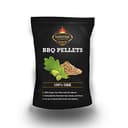
- Lumber Jack 100% Oak— for the cook who wants Texas-style oak smoke from a pellet grill, with no base wood pretending to be a flavor.
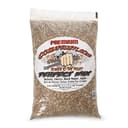
- CookinPellets Perfect Mix— for the cook whose pellet brisket tastes thin: four flavor woods, no stated filler, 40 lb.
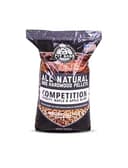
- Pit Boss Competition Blend— for the cook who burns a lot of pellets and wants the best price per pound: 40 lb of 100% natural hardwood, about two full brisket cooks plus change.
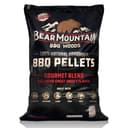
- Bear Mountain Gourmet Blend— the budget pick: a 20 lb low-ash everyday bag that will not gum up an auger.
What actually changes the flavor, in order
1. The species, if the bag is honest about it. Oak is the base note of Texas brisket: assertive enough to stand up to twelve hours on beef, clean enough not to turn bitter. Hickory is stronger and sweeter and can tip acrid on a long cook if the fire is not clean. Fruitwoods are mild and mostly contribute color. Our wood guide and the post oak against hickory comparison cover the whole flavor argument, and it applies identically to pellets.
2. Whether the bag is mostly base wood.This is the industry’s quiet norm: a “cherry” pellet is often an oak or alder body with cherry added. That is not fraud — base woods pelletize better — but it means two bags with the same name on the front can taste different. The only reliable signals are a single-species claim (Lumber Jack’s 100% oak) or an explicit no-filler statement (CookinPellets). Where a maker says nothing about filler, we say nothing either.
3. How much smoke your grill makes at all. Honestly, this matters more than the bag. A pellet grill burns cleanly by design, and the pellet you choose can only flavor the smoke that exists. If pellet brisket tastes thin to you, the bigger lever is a smoke tube— about ten dollars, up to five hours of extra smoke per fill — or running the first few hours at a lower temperature, when a pellet grill makes its heaviest smoke.
4. Ash and consistency, which are maintenance rather than flavor. Low-ash claims (Bear Mountain states one) mean a cleaner firepot over a long cook and less chance of a temperature swing from ash buildup. That is a real benefit on a twelve-hour brisket, and it is not a taste difference.
The four alternatives, side by side
Every figure is the maker’s own, read from the listing on the date in each product’s spec table below. For reference, the bag these are being compared with states hickory, maple and cherry, 100% all-natural hardwood, and is sold for any cook rather than for beef specifically.
| Pellet | Woods (stated) | Bag | Why instead of the Traeger blend | Price |
|---|
| Lumber Jack 100% Oak | 100% oak, single species | 20 lb | Oak all the way through - the Texas brisket wood | |
| CookinPellets Perfect Mix | Hickory, cherry, hard maple, apple | 40 lb | States no oak or alder filler - deeper smoke on a long cook | |
| Pit Boss Competition Blend | 100% natural hardwood blend | 40 lb | Best price per pound here by a wide margin | |
| Bear Mountain Gourmet Blend | 100% natural hardwood blend | 20 lb | Low-ash everyday bag; the budget pick | |
Read the second column and the fourth together. Two of these four tell you exactly what is in the bag, and those are the two we would put against a brisket. The other two are honest value buys that do not make a species claim, and we have not invented one for them.
How many pellets does a brisket need?
Plan on a 20 lb bag per long cook as a safe assumption, and treat anything more precise as grill-specific: consumption depends on the controller, the ambient temperature and how well the lid seals, and no pellet maker publishes a burn rate because they cannot know your grill. The practical consequences:
- Never start a brisket with a part-full hopper. Running out at hour eight is the classic pellet-grill failure, and a cold stall in the middle of the night is hard to recover from.
- Buy 40 lb bags if you cook often. Two of the four here are 40 lb and the price per pound is markedly better.
- Store them sealed and off a concrete floor.Pellets are compressed sawdust held together by their own lignin — they absorb moisture, swell, and jam augers. A sealed bucket in a dry place is the whole trick.
- Do not mix flavors in the hopper mid-cook unless you want an unrepeatable result. If you want to blend, blend in a bucket first and write it down.
If you are reconsidering the grill rather than the fuel, our Traeger alternatives page covers five cookers against the brand, and how to smoke brisket on a pellet grill is the method that gets the most out of whichever bag you buy.