Who each alternative is for, in one line
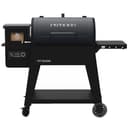
- Pit Boss 850 Navigator— for the cook who wants the same set-and-forget result with fuel that feeds itself: 849 sq in, 180–500°F stated, WiFi.
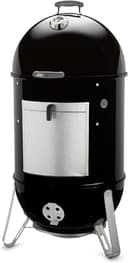
- Weber Smokey Mountain 22"— for the cook who wants charcoal flavor and the lowest total cost: 726 sq in, a water pan, and a fan controller added if and when you want one.
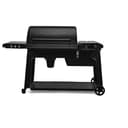
- Traeger Woodridge Pro— for the cook who wants the best app and the most polished hands-off experience, and will pay for it.
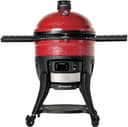
- Kamado Joe Big Joe Konnected Joe— for the cook who wants a fan and a controller on a ceramic body: 24 in grate, 225–750°F stated, two deflectors included. The most expensive answer here by a wide margin.
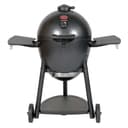
- Char-Griller AKORN 20"— the budget pick: insulated steel, and the base of the cheapest hands-off setup once a controller is bolted on. Its listing includes no heat deflector, and a brisket needs one.
The two routes to hands-off charcoal, costed honestly
A Gravity cabinet bundles three things: a charcoal fire, a fan-and-controller, and a hopper that feeds the fire. You can buy those separately, and for brisket the separate route is usually cheaper and sometimes better.
Route one: an insulated charcoal cooker plus a controller.Take a Weber Smokey Mountain, a drum or an insulated-steel kamado like the AKORN, add a fan controller sealed to the intake, and you have a thermostatic charcoal smoker. You lose the self-feeding hopper — though a bullet or kamado on big-piece lump will often run a whole packer on one basket, which the 1050’s published 10 hours will not always do. You gain a sealed, insulated chamber, far less ash handling, and a cooker that still works when the electronics fail. Our temperature controller roundup covers the five units worth buying and what each maker publishes.
Route two: a cooker with the controller built in.That is the Gravity Series itself, the Konnected Joe on the ceramic side, and — with pellets instead of charcoal — the Pit Boss and the Traeger. You pay once, everything is matched, and nothing needs an adapter. The pellet versions add the thing no charcoal cooker has: fuel that feeds itself for longer than a brisket takes.
The flavor question is the one people argue about and it is simpler than the argument suggests. Charcoal and wood chunks make more smoke flavor than pellets, because a pellet fire burns very cleanly — that is the whole trade, and our pellet-against-charcoal comparison goes through the combustion properly. If you are leaving the Gravity Series because you want more smoke rather than less, the bullet is your answer, not the pellet grill.
What to compare, spec by spec
Published burn time, not grate area.This is the spec the Gravity Series is actually sold on, and the one its alternatives rarely publish at all. Masterbuilt states up to 18 hours at 225°F for the 600 and up to 10 hours for the 1050. Neither Kamado Joe nor Weber publishes a burn time for a load of lump — those rows read “Not published” in our spec tables, and we will not guess them. Pellet hoppers are the exception by design: an auger pulls from a hopper you can top up without opening the cook chamber.
Whether the fire can be fed without losing the cook. Topping up a charcoal hopper or a basket means opening something hot. Topping up a pellet hopper means lifting a lid on the outside of the cooker. On a sixteen-hour brisket that difference is the whole reason to consider a pellet grill.
Temperature floor and ceiling.Masterbuilt states 225–700°F, which is a real advantage: it sears as well as smokes. The Pit Boss states 180–500°F — lower at the bottom, which suits a long smoke, lower at the top too. The Konnected Joe states 225–750°F. A Smokey Mountain has no published range because it has no controller; what it has is a water pan, which is its own way of making 225–250°F easy.
What breaks, and what is covered. A gravity cabinet has a fan, a controller board and an igniter. A pellet grill has a fan, a controller, an auger motor and an igniter. A bullet has none of those. Warranty length in this group runs from one year to lifetime on ceramics, and on a cooker you intend to own for a decade that gap is part of the price.
The five alternatives, side by side
Every figure is the maker’s own, read from the listing on the date shown in each product’s spec table. For reference, the cookers these are being compared with state 225–700°F, app control, and published hopper burn times of up to 18 hours at 225°F (600) and up to 10 hours (1050).
| Cooker | Fuel | Control | Why instead of a Gravity Series | Price |
|---|
| Pit Boss 850 Navigator | Wood pellets | Digital, 180-500°F, WiFi + BT | Fuel feeds itself; 849 sq in published; no ash pan to empty | |
| Weber Smokey Mountain 22" | Charcoal + wood | Vents + water pan (add a controller) | More smoke flavor, far less money, nothing to break | |
| Traeger Woodridge Pro | Wood pellets | Digital PID, WiFIRE app, 165-500°F | The most polished app; cooking area not published | |
| Kamado Joe Konnected Joe | Lump charcoal + wood | Digital fan + Kontrol Board, WiFi | Fan control on ceramic, 24 in grate, lifetime ceramic cover | |
| Char-Griller AKORN 20" | Charcoal + wood | Indexed dampers (add a controller) | Cheapest route in; insulated steel sips charcoal | |
Read the fourth column as a question about what you are replacing. Two of these cookers replace the hopper with an auger, two replace the electronics with insulation and a vent, and one keeps the fan but puts it on a ceramic body that will outlive everything else on the page.
If you are staying with the Gravity Series
Reasonable — it is the only cooker class that gives you charcoal and a thermostat at this price, and two things make the brisket better without changing cookers.
Plan the hopper around the cook, not the cook around the hopper. Read the published burn time for your model, compare it with the twelve to sixteen hours a packer takes, and decide in advance whether you are topping up or starting earlier. Our start-time guide works backwards from dinner, and the 600-against-800-against-1050 comparison lays the published figures side by side — they run backwards to the model numbers, which surprises most buyers.
Use big-piece lump, not briquettes. A gravity chute feeds either, and the published hopper figures are higher for briquettes by weight while lump burns longer per pound and leaves less ash in a narrow firebox. Our charcoal roundup names the big-piece bags.
And if the honest answer is that you want to spend less rather than differently, the smokers under $1,000 page puts every cooker class in this band next to each other with live prices.