Who each of these is for, in one line
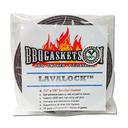
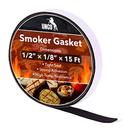
- LavaLock 1/2 x 1/8 Nomex— for the cook who wants the standard profile in a named aramid felt, on a pit they intend to keep.
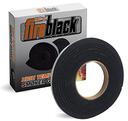
- Fireblack 1/2 x 1/8, 15 ft— for the same job in black, so the seal line disappears on a black cooker.
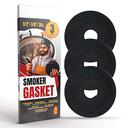
- Smoker Chef XXL 30 ft— for two or more cookers, or for anyone who has accepted that gasket is a consumable.
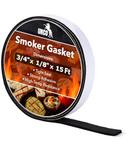
- UNCO 3/4 x 1/8— for a warped lid or a bad door, where the standard profile cannot bridge the gap.
- UNCO 1/2 x 1/8— for the lowest possible spend, and for testing the idea before committing.
Why a leak is a control problem, not a heat problem
The instinct is that a leaking pit wastes heat. It does, a little, and that is not the reason to fix it.
A smoker is an airflow machine. You set an intake vent and an exhaust, and the difference between them determines how fast the fire burns, which determines temperature. That whole relationship assumes the air comes in where you told it to. When a lid seam and a firebox door are both leaking, a large fraction of your intake air is unmetered, and closing the intake vent does much less than it should. You end up with a pit that runs hot and will not come down, and no amount of vent fiddling fixes it, because the vent is no longer the main inlet. Our fire management guide opens on exactly this point: air controls temperature, so uncontrolled air controls your temperature for you.
The second effect is smoke. Smoke follows the leaks, which means it exits at the lid seam instead of traveling the length of the chamber and out the stack. On an offset that shortens the path your bark is exposed to, and it is part of why a sealed pit tends to produce a more even color end to end.
Third, and only third, is fuel. A sealed pit holds temperature on less charcoal. Real, but small next to the control benefit, and nobody should buy gasket for the fuel savings.
Profile width: the spec that actually decides it
Every roll on this page is 1/8 inch thick. The variable is how wide the strip is, and it is the only genuine fit decision in the category.
1/2 inch is the default and what you want roughly nine times in ten. It sits on the flange of a lid or door, compresses a little as the lid closes, and seals. Four of the five rolls here are this profile.
3/4 inchcovers 50 percent more sealing face. Buy it when the gap is wider than the tape can take up, or uneven along its length — which is exactly the condition on a cheap barrel offset, where the lid is rolled sheet and nothing is perfectly round. A wider strip gives a warped lid something to close onto at every point rather than only where the gap happens to be tight.
The failure mode to avoid is overcorrecting. Put 3/4 inch tape on a lid that already closes flat and you hold the lid very slightly open along its whole length, which is a new leak where you did not have one. Check the gap before you choose: close the lid on a dollar bill at four points around the seam and pull. If it slides out freely everywhere, you have a real gap and want the wide profile. If it grips in some places and slides in others, you have a warped lid and still want the wide profile. If it grips everywhere, you do not need gasket at all.
The five side by side
Every figure below is the listing’s own, read on the date in each product’s spec table. Two gaps are worth naming up front: not one of the five publishes a temperature rating in degrees, a service life or an adhesive type, and only three name the fiber. “High temp” is a marketing phrase, not a measurement, and we quote it as one.
| Gasket | Profile | Stated length | Stated material | Price |
|---|
| LavaLock high-temp, gray | 1/2 x 1/8 in | Not published | Nomex | |
| Fireblack hi-temp, black | 1/2 x 1/8 in | 15 ft | Not published | |
| Smoker Chef XXL, black | 1/2 x 1/8 in | 30 ft (3 x 10 ft) | Nomex | |
| UNCO wide | 3/4 x 1/8 in | 15 ft | Not published | |
| UNCO standard | 1/2 x 1/8 in | 15 ft | Not published | |
How much do you need? Measure the perimeter of the opening and add a foot. A barrel offset’s cook-chamber lid is usually six to nine feet around, and a firebox door is two to four, so 15 feet does both on most pits with some spare for the mistake you will make on the first corner. Thirty feet is two cookers, or one cooker plus the next two re-tapes.
Nomex, fiberglass, or unnamed?
Three of these five say what they are made of, and the distinction is worth one paragraph.
Nomexis a meta-aramid fiber — the same family used in firefighter turnout gear — and it is what the two named rolls here state. It is the material the offset-modding community settled on, and it stays flexible rather than going brittle and powdery.
The two UNCO rolls and the Fireblacksay “high temp” without naming a fiber. That is not a reason to avoid them — Fireblack in particular has a long history in this category — but it is a reason we did not rank them first, and it is the honest state of the information available.
What nobody publishes, in any case, is a temperature rating in degrees or a service life. So we cannot tell you that one of these lasts three seasons and another lasts one, and we are not going to imply it. What we can tell you is that gasket is a consumable on every cooker: it gets compressed, it gets cooked, and on a pit used most weekends it wants replacing eventually regardless of what you paid. Which is part of the argument for the 30-foot roll.
How to fit it, in about an hour
- Pick your line.Gasket goes on the flange that the opposite surface presses against — usually the lid, not the body. Choose one surface and stay on it the whole way round.
- Clean the metal properly. This is where fits fail. Grease and soot will beat any adhesive. Scrub with degreaser, dry it, then wipe with rubbing alcohol and let it flash off. The surface should squeak.
- Lay it on cold metal, peeling as you go. Do not pull the whole backing off first. Press down every few inches and keep the strip under light tension so it does not wander.
- Butt the ends, do not overlap. Cut square and bring the two ends together. An overlap is a lump that holds the lid open either side of it.
- Clamp it shut and give it a day.Close the lid and leave it overnight so the adhesive sets under pressure. Then run the pit empty and hot for an hour before you cook on it — same first-burn logic as seasoning a new smoker.
One caution worth stating: do not gasket a kamadoon this advice. A ceramic cooker’s felt gasket is a specific part on a specific surface and the replacement procedure is the maker’s, not a strip of self-stick tape chosen off a page about barrel offsets. Our kamado picks cover those cookers separately.
Which pits actually need this
- Barrel offsets — yes, nearly always. The cookers in the under $500 band ship with rolled-sheet lids and stamped doors, and they leak out of the box. Gasket plus a charcoal basket is the standard pair of first modifications, and together they cost a fraction of the pit.
- Charcoal bullets — usually not. A Weber Smokey Mountain is deliberately a little leaky and is tuned around that. Sealing one is a known modification, but it changes how the vents behave and it is not a fix for a problem most owners have.
- Cabinet and gravity smokers — sometimes.A door seal that has gone hard is a real fault and tape is a legitimate repair. Check the maker’s part first.
- Pellet grills — no. A pellet grill controls temperature with a fan and a controller, and the firmware compensates for a loose lid. Sealing one is mostly cosmetic.
And before you buy anything: find out whether your pit is actually running away from you, or whether you are reading a bad thermometer. The dome gauge on a cheap offset reads air near the lid rather than at grate level next to the meat, and the gap between the two can be 30 or 40 degrees. A dual-probe thermometerwith a grate clip costs less than this page’s most expensive roll and tells you whether you have a leak problem or a measurement problem.