Who each of these is for, in one line
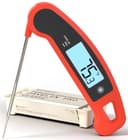
- Lavatools Javelin PRO Duo— for every brisket cook, without exception. The one accessory that decides whether the meat is done.
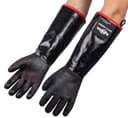
- RAPICCA 932°F Gloves, 17"— for anyone who has to lift a hot 14-pound packer or reach past a fire. The 17-inch cuff is the version that protects your forearm.
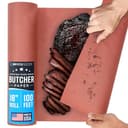
- Bryco Goods Pink Butcher Paper 18" x 100 ft— for the cook who wraps, which is almost everyone. Uncoated, FDA-compliant, 18 inches wide, and 100 feet is a lot of briskets.
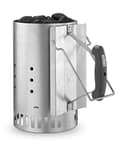
- Weber Rapidfire Chimney Starter— for every charcoal cook. Lights a load in minutes with newspaper and no fluid.
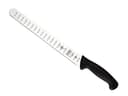
- Mercer Culinary Millennia 11" Granton Slicer— for the cook who wants clean slices without spending knife money. The lowest-cost blade that still slices brisket properly.
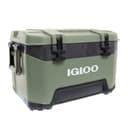
- Igloo BMX 52 QT— for anyone who finishes a brisket before the guests arrive. A faux-cambro hold is how good brisket becomes great brisket.
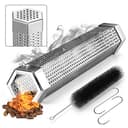
- Realcook 12" Hexagonal Smoke Tube— the budget pick: for pellet and electric cooks who want more smoke than their cooker makes. Up to 5 hours per fill, stated.
Why these seven, in this order
1. The thermometer, because a lid gauge is not a measurement.The gauge in your smoker’s lid sits at the top of the dome, often a foot above the grate and in a different airflow, and on some cookers it reads 25 degrees away from the air the brisket is actually in. It also cannot tell you anything about the meat. Brisket is done at probe tenderness, somewhere around 203°F, and finding that means probing the thickest part of the flat in four or five places — a job only an instant-read can do. Our under-$50 page has six that qualify, including a dual-probe leave-in for watching the pit overnight.
2. Gloves, because of how this cook ends.At some point a 14-pound slab of 200°F meat has to come off a hot cooker, usually in the dark, and it will be slippery with rendered fat. The two numbers that matter on a glove are the stated heat rating and the cuff length: RAPICCA states 932°F and 17 inches, and the length is what saves your forearm when you reach across a grate. The deeper comparison, including why welding gloves are the wrong tool, is in our gloves roundup. Tongs are the cheap companion to a glove rather than a substitute for one — see the BBQ tongs picks, or the tool set roundup if you would rather buy the supporting cast in one box.
3. Butcher paper, because it is the cheapest change to the bark. Wrapping is how most people get through the stall, and the choice of wrap decides what happens to the crust you spent six hours building. Paper breathes, so bark survives; foil steams, so it softens. Uncoated 18-inch paper is the standard and 100 feet is enough for a dozen cooks, which makes this the lowest cost-per-brisket item on the page.
4. A chimney starter, if you cook on charcoal.It is the cheapest tool in barbecue and it sets the first hour of the cook: a full chimney of properly lit coals gives you a clean fire instead of the acrid smoke a half-lit pile makes. Weber publishes a 7.5-inch barrel and a 13-inch height for the Rapidfire and, like every maker in the category, publishes no charcoal capacity — the figure everyone wants and nobody states. Our chimney roundup covers the whole class.
5. A slicing knife, because you can ruin a good brisket in the last two minutes. You need length (11 to 12 inches, so the blade crosses the flat in one stroke) and a Granton hollow-edge so slices release instead of tearing. The Mercer is the cheapest knife we would put against a brisket. How you use it matters more: slice against the grain, and remember the grain changes direction between point and flat.
6. A cooler, because holding is the trick nobody tells beginners.A brisket held wrapped in a dry, pre-warmed cooler for two to four hours is better than the same brisket served straight off the smoker — it finishes rendering and redistributes. It also makes timing possible: you cook until it is ready rather than until dinner. Igloo states 5 days of ice retention at 90°F in a controlled test and, like every cooler maker, publishes nothing at all about hot holding, which is the one figure a brisket cook wants. Our cooler roundup and our guide to how long a cooler hold is safe cover the food-safety side, which is not optional reading.
7. A smoke tube, if your cooker does not make much smoke.Pellet grills and electric cabinets burn cleanly and quietly, which is the point of them and also why their brisket can taste thin. Ten dollars of stainless tube filled with pellets runs up to five hours stated, which covers the pre-wrap window where smoke flavor is actually absorbed. If you cook on charcoal or wood, skip it — you do not need it.
The seven, side by side
Every figure is the maker’s own, read from the listing on the date in each product’s spec table below. Prices are live and each row carries its own “as of” stamp.
| Job | Pick | The spec that matters | Price |
|---|
| Know when it is done | Lavatools Javelin PRO Duo | ±0.9°F, 2-3 sec response (stated) | |
| Handle it hot | RAPICCA 932°F Gloves, 17" | 932°F rating, 17 in cuff (stated) | |
| Wrap it | Bryco Goods Pink Butcher Paper | 18 in x 100 ft, uncoated, FDA-compliant | |
| Light the fire | Weber Rapidfire Chimney Starter | 7.5 in barrel, 13 in tall; capacity not published | |
| Slice it | Mercer Millennia 11" Granton Slicer | 11 in blade, hollow edge, NSF handle | |
| Hold it | Igloo BMX 52 QT | 52 QT; 5-day ice retention at 90°F (stated) | |
| Add smoke | Realcook 12" Smoke Tube | 304 stainless, up to 5 hours per fill (stated) | |
Note what is missing from the third column. No cooler maker publishes a hot-hold figure, no chimney maker publishes a charcoal capacity, and no glove maker publishes a sizing table. Those are the three real gaps in this category, and where you see “Not published” in a spec table on this site, that is what it means.
Three more that nearly made the list
All three are cheap, all three do a job nothing else does, and each now has its own page: a BBQ spatula for everything on the grate that is not the brisket, a spritz bottle that mists rather than streams, and a water pan, which is the cheapest thermal mass and humidity you can add to any cooker.
What we left off, and why
Rub and sauce.Both are flavor decisions rather than equipment, and both have their own pages — rubs and sauces. A Central Texas brisket needs salt and pepper, which you already own.
An injector. Genuinely useful on a lean flat and genuinely optional on a whole packer. If you want one, the injector roundup covers them.
A trimming knife. A separate job from slicing and a separate blade: a 6 inch flexible boning knife, not an 11-inch slicer. See the trimming knife page— we did not put both knives on this list because most people trim with whatever they have and slice with the right tool, not the other way round.
A cutting board. It belongs on the list if you do not already own a big one with a juice groove, and it is the one item here most kitchens already have a version of. Our board roundup covers sizes that actually fit a packer.
A vacuum sealer.After the cook, not during it — but it is the accessory that changes what happens to half a brisket. Sealers and bags each have a page.
If you are buying for someone else rather than yourself, the gift guide covers the same ground arranged by budget, and stocking stuffers covers the small end.